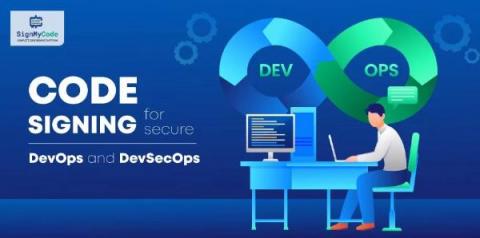
Today’s fast-paced digital landscape requires quick actions and top-notch safeguarding. Code signing is crucial in providing that security, but teams must approach the process effectively. Unfortunately, managing digital certificates, a vital component of code signing, often becomes complex and error-prone for organizations, leading to potential risks and vulnerabilities.
Code signing certificates are crucial in verifying a software application’s source and assuring users that the code has not been tampered with or maliciously modified. However, like any security measure, code signing is not immune to abuse. Hackers and cybercriminals are constantly finding new ways to exploit vulnerabilities in digital signing processes, making it imperative for developers and organizations to take proactive steps to safeguard their code signing certificates.
The debate surrounding the integration of best-of-breed versus a single-vendor security platform has been discussed for some years. On one side, we have niche solutions that offer a specialized approach to addressing cybersecurity challenges. On the other side, there are the potential benefits of a consolidated platform that promises seamless interoperability for an exponential improvement of security posture.
“How does Detectify’s External Attack Surface Management platform compare to Penetration testing” or “What I’m really looking for is Penetration testing” are two statements we often hear when talking to prospects. We know that many of you are keen to understand how EASM compares with Penetration testing (Pen testing), so we’re exploring these two methodologies side-by-side.
In today’s interconnected digital landscape, cyber threats have become more and more sophisticated and prevalent, posing a huge risk to individuals, organizations, and even nations. To understand and stop these evolving threats effectively, cybersecurity agencies rely on advanced tools and technologies. One such tool is Threat Intelligence Platforms (TIPs), which play a crucial role in enhancing the capabilities of these agencies.
For the longest time within the cybersecurity industry, we have had Chief Information Security Officers (CISOs) whose role is to set the strategic direction for Information Security within an organisation. But what are the stepping stones to becoming a CISO? In the past, this has been a difficult question to answer, but typically the CISO is someone who moved up through the ranks in IT and developed additional knowledge and skills related to data protection, privacy and risk management.
There is no question that cybersecurity is on the brink of an AI revolution. The cloud security industry, for example, with its complexity and chronic talent shortage, has the potential to be radically impacted by AI. Yet the exact nature of this revolution remains uncertain, largely because the AI-based future of cybersecurity is still being invented, step by step.