Thanks to the rise of cloud storage, businesses now have a secure platform to store confidential files, client data, and customers' personal information. However, due to the sensitive data businesses store, the General Data Protection Regulation (GDPR) was formed on May 25, 2018. The GDPR protects individuals' privacy and personal data in the EU.
Phishing remains one of the most dangerous and persistent cyber threats for individuals and organizations. Modern attacks use a growing arsenal of deceptive techniques that bypass traditional secure email gateways (SEGs) and email authentication measures, targeting organizations, employees, and vendors.
In today’s rapidly evolving threat landscape, traditional reactive security approaches are no longer sufficient. This reality led Gartner to introduce Continuous Threat Exposure Management (CTEM) to shift organizations’ mindset from reactive firefighting to proactive threat management through five critical phases: This structured approach revolutionizes how organizations secure their cloud environments. But to succeed, CTEM demands specialized tools designed for modern cloud complexities.
Cybersecurity involves anticipating threats and designing adaptive strategies in a constantly changing environment. In 2024, organizations faced complex challenges due to technological advances and sophisticated threats, requiring them to constantly review their approach. For 2025, it is crucial to identify key factors that will enable organizations to strengthen their defenses and consolidate their resilience in the face of a dynamic and risk-filled digital landscape.
How can businesses build cloud applications that are both reliable and secure? Organizations face a dual challenge: they must develop scalable solutions and protect sensitive data. As more businesses migrate to cloud-based infrastructures, they must adopt strong cloud solutions development and security practices. These steps help them maintain operations and preserve customer trust. In this article, we guide you through proven strategies and best practices. We show how you select the right architecture and implement advanced security measures.
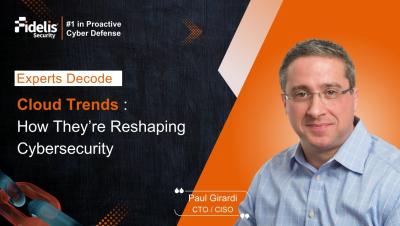
Cloud adoption is accelerating, but with it comes new security challenges. In this video, we discuss: The rise of multi-cloud and hybrid cloud strategies. Key security concerns like visibility gaps and the shared responsibility model. How to stay secure while trusting—and verifying—your cloud provider. Takeaways: Understand cloud trends, security risks, and your role in protecting your workloads.