Security | Threat Detection | Cyberattacks | DevSecOps | Compliance

The Hidden Dangers of Client-Side Bot Detection

If you’re shopping around for a way to stop bots damaging your brand – be that through enabling automated fraud, hoarding your stock, scraping your content or prices, or just eating up server resources – you’ve probably seen vendors advocating the use of “client-side detection”. They’re probably telling you it’s necessary for accurate bot detection.

Cybersecurity Sessions S02E02: AI regulation & music, scalping for immigration appointments

A fresh Netacea panel of cyber experts are on hand once again to discuss the latest developments in security and bot-related news! This month, in light of OpenAI CEO Sam Altman standing before US senators and requesting regulation of AI businesses, we give our views on whether one body – or even one nation – can or should regulate this rapidly developing industry.

Cybersecurity Sessions S02E01: AI ethics, ticket scalping, Russian disinformation, card cracking

Welcome to a new format for the Cybersecurity Sessions! We’ve refocused our podcasts to provide insights into the latest news and trends in cybersecurity, calling on the expertise of Netacea’s threat researchers, bot specialists and business leaders. This month, new host Dani Middleton-Wren is joined by Matthew Gracey-McMinn, Chris Pace and Tom Platt. First they discuss the ever-intriguing topic of ethics in AI, with facial recognition tech from Clearview AI and PimEyes coming under legal and moral scrutiny, followed by the practicalities of fighting back against automated ticket scalping.

What does Genesis Market's demise mean for other sites selling digital identities?

As reported widely in the press, the Genesis Market is no more. On Tuesday 4th April 2023, the FBI seized control of the infamous marketplace that’d had hundreds of thousands of stolen digital identities for sale, replacing its login page with a takedown notice and call for further information from its users.

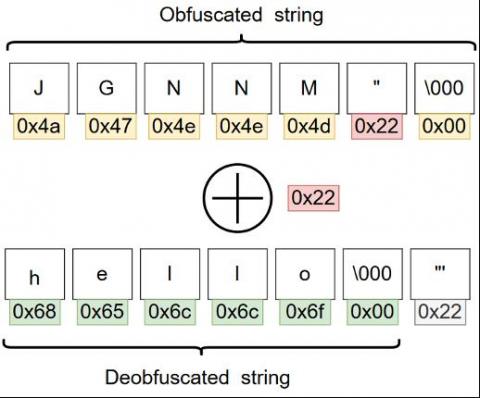
Forescout Research - Vedere Labs Releases String Deobfuscation Tool for Analysis of Mirai IoT Botnet Variants

As part of our recently released 2022 Threat Roundup report, Forescout Vedere Labs described how the Mirai IoT botnet continues to evolve via new variants and adaptations, such as Gafgyt and RapperBot, more than six years after it started taking over IoT devices and had its source code leaked.

Tofsee Botnet: Proxying and Mining

In January 2023, PrivateLoader, a malware loader from a pay-per-install malware distribution service called “ruzki”, started to distribute Tofsee (a.k.a. Gheg), a modular spambot. Spambots are typically utilized by cybercriminals to spread malware and phishing emails, and this particular one has been in operation since at least 2008.

Emotet Comeback: New Campaign Using Binary Padding to Evade Detection

Emotet is undoubtedly a very resilient botnet. Even though its operation was disrupted by Europol in January 2021, Emotet came back a few months later and continues to spread. In May 2022, shortly after Microsoft released new controls related to malicious macros, Netskope Threat Labs analyzed an Emotet campaign where they were testing a new delivery method, by using LNK files.

Stalkerware Exposed | Cybersecurity Sessions #16 with Martijn Grooten

Our reliance on personal mobile devices leaves us vulnerable to attack; not just from anonymous criminal groups, but in some cases, from those closest to us. Stalkerware, a category of apps designed to secretly monitor the unsuspecting victim whose device they’re installed on, are a growing concern for security and privacy advocates, as well as law enforcement agencies.