Security | Threat Detection | Cyberattacks | DevSecOps | Compliance

Understanding ROPA: Who, What, Why?

ROPA is primarily utilized by organizations subject to data protection regulations. While it is a legal requirement for businesses of all sizes handling personal data, it is especially critical for large enterprises that process substantial volumes of data or sensitive information. Compliance officers, data protection officers (DPOs), legal teams, and IT departments often rely on ROPA to demonstrate compliance to regulators during audits or investigations.


Navigating DORA Compliance: A Roadmap to Operational Resilience with Trustwave

The Digital Operational Resilience Act (DORA) is poised to reshape the European financial landscape, demanding a robust defense against cyber threats and operational disruptions and Trustwave is putting the pedal to the metal to prepare clients with our DORA Readiness Accelerator service. The Trustwave DORA Readiness Accelerator, which joins Trustwave’s CMMC readiness and Microsoft Security accelerators, provides a structured approach to achieving compliance and bolstering operational resilience.

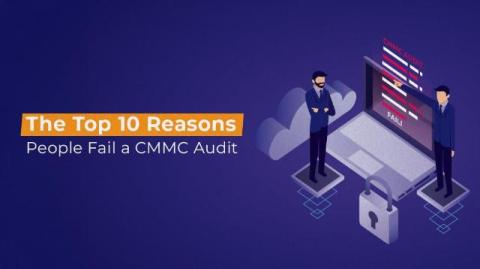
The Top 10 Reasons People Fail a CMMC Audit

The Cybersecurity Maturity Model Certification, version 2.0, is finally in effect, which means thousands of businesses that have roles in the Department of Defense supply line need to do the work to comply and pass their audits to receive certification. It’s inevitable that many of these businesses will fail their initial audits. The standards are high, the margin of error is narrow, and the timeline is tight.
Featured Post

2025 Predictions - Navigating Through the Challenges and Opportunities Ahead

As we enter 2025, the global economic landscape remains a mix of challenges and potential shifts that will shape markets and industries worldwide. From high interest rates to the evolving impact of AI, there are several key factors that will define the year ahead. While there will be friction in some areas, persistence, agility and out-of-the-box thinking will ensure a competitive edge.

The Future of Payments Starts with Security: Act Today

In today’s digital world, every swipe, click, and tap connects us—but it also comes with risks. Cybercriminals are constantly evolving, targeting payment systems and compromising financial security. A single breach can cost your business millions and erode customer trust forever. At VISTA InfoSec, we understand these challenges. That’s why we’re here to help you secure your payment systems with industry-leading solutions like PCI DSS compliance, SOC 2 audits, and advanced fraud detection tools.

The HIPAA to HISAA transformation

The healthcare industry stands at the cusp of a major transformation with the introduction of the Healthcare Information Security Accountability Act (HISAA), a progressive regulatory framework set to replace the decades-old Health Insurance Portability and Accountability Act (HIPAA). HISAA is designed to address the evolving complexities of healthcare data management, emphasizing real-time data governance, proactive monitoring, and stricter controls over third-party data exchanges.

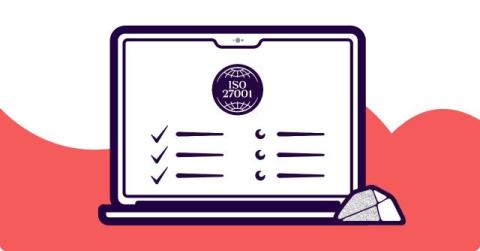
The 4 categories of ISO 27001 controls

Information security is no longer optional; it’s critical to running a successful, resilient business. ISO 27001, the international standard for information security management systems (ISMS), provides a structured approach to safeguarding data. Central to this framework are the 93 controls in Annex A, which are divided into four categories: organizational, people, physical, and technological.

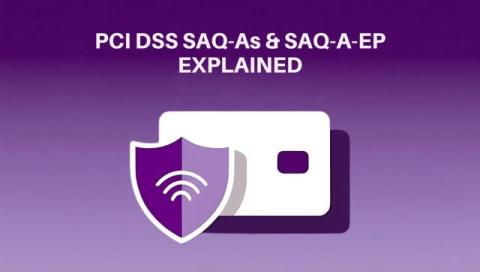
PCI 4 for SAQ-A & SAQ-A-EP: Everything Merchants Need to Know to Master PCI DSS 4 Compliance

PCI DSS 4 introduces new requirements for SAQ-A and SAQ-A-EP Merchants. Key new changes are Requirements 6.4.3 and 11.6.1. While these requirements play a crucial role in preventing and detecting e-commerce skimming attacks they also require merchants to implement and operate new technical capabilities on payment webpages. Requirements 6.4.3 and 11.6.1 apply to all scripts executed in a consumer’s browser on payment pages, defined as web-based interfaces that capture or submit account data.

Securing the Internet of Things: Protecting IoT Devices in the Modern Office

The Internet of Things (IoT) has revolutionized how modern offices operate, introducing unprecedented levels of connectivity and efficiency. From smart thermostats to security cameras, IoT devices are now integral to daily office functions. However, this increased connectivity also comes with heightened security risks. Cybercriminals can exploit vulnerabilities in IoT devices to gain access to sensitive networks, making them a prime target in the digital security landscape.