This is the third post in the Threat-Based Methodology blog series. In the first post, we introduced Threat Based Methodology and the analysis conducted by the FedRAMP PMO and NIST. In that post, we ended by listing the top seven controls based on their Protection Value. The second post explored configuration settings in greater depth and explained how Devo supports the ability to meet the CM-6 control.
Our VP for Data Ethics & Governance, Sophie Chase-Borthwick, was recently part of a panel – the PICCASO Special Interest Group. Sophie joined William Malcolm (Privacy Legal Director at Google), Radha Gohil (Data Ethics Strategy Lead at Shell), and Anne Woodley (Security Specialist at Microsoft) in untangling what data ethics actually means and how best to support it. Here we look at this in more detail.
PCI DSS Compliance in Dubai for businesses dealing with payment card data is given great importance and priority. PCI DSS Compliance is a global payment card data security standard established in the online payment industry. It is a standard created and adopted by major card brands (Visa, Mastercard, Discover, American Express, and JCB) to promote secure card transactions in the industry. So, businesses that deal with these credit card brands need to ensure compliance with PCI DSS.
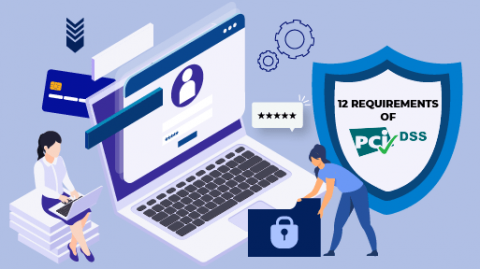
The Payment Card Industry Security Standard Council (PCI SSC) for the benefit of customers, cardholders, and other stakeholders of the industry established a stringent payment card security standard known as PCI DSS. Payment Card Industry Data Security Standard is a framework designed and developed to protect sensitive card data in the environment. The payment security standard is a comprehensive framework that outlines 12 requirements that organizations are expected to meet to ensure compliance.