The latest News and Information on Data Security including privacy, protection, and encryption.
We recently hosted a live discussion covering emerging trends within the cloud security space, primarily reflecting on how organizations could adopt a posture of continuous security and compliance across their SaaS applications. Continue on below to view the highlights from this discussion.
All information is an attractive target for bad actors, but some is inherently more valuable than others. State-sponsored and hacktivist attacks constantly probe enterprise networks seeking to identify the location of sensitive information. Attackers historically targeted core enterprise systems but as the defenses for those systems have matured, attackers now target the same information but in less secured unstructured (broadly speaking, file and email based) repositories.
Today’s threat actors often carry out cyber attacks with the primary objective of accessing and exfiltrating sensitive information from your IT environment. Efforts to obtain this “crown jewel” information usually involve complex multi-phase cyber attacks. But another way in which sensitive data ends up in the hands of malicious actors with a lot less effort is when an organization exposes sensitive data assets in a data leak incident.
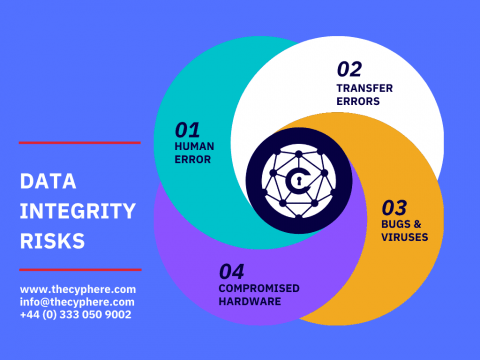
In the present age, when data has become a significant aspect of every business application, more pieces of information have been stored and processed. The security and quality of that information are vital to protect the health of the data throughout its lifecycle. Implementing measures that preserve the integrity of the data is increasingly vital for organisations around the world.
Selling to the Department of Defence or dealing with Export Controlled material? Discover how to manage the information security and compliance of ITAR and other regulated data.
Many businesses argue that they need to collect information about customers to verify who they are and secure their accounts. However, this is at odds with online privacy advocates, who say organizations are compromising our security by collecting far too much information about us.
In part 1 of this series, we discussed data privacy, the related laws, and the data collection practices that help comply with those laws. In this blog, we’ll take a look at the challenges in securing customer data and five effective steps to overcome them. Many countries deem data privacy a fundamental human right and have implemented data protection laws.
Speaking with clients, I find one of the biggest issues they struggle with how to properly secure Guest access in Microsoft 365 applications. While many organizations had already begun outsourcing their email to M365, most had really only begun looking at the rest of the M365 offering (Teams, SharePoint Online and OneDrive) when COVID hit. Most organizations wound up diving headfirst into this offering in an attempt to deal with the sudden need to work and collaborate with colleagues from home.
Online privacy is a state where one can keep their information and activities private from others. Due to the increase in internet usage for various purposes like social media, entertainment, education, and even business, the threat to data privacy has also increased. Above all the other online niches, businesses involve more critical data such as customer data, financial information, intellectual property, business agreements, and employee details.