Security | Threat Detection | Cyberattacks | DevSecOps | Compliance

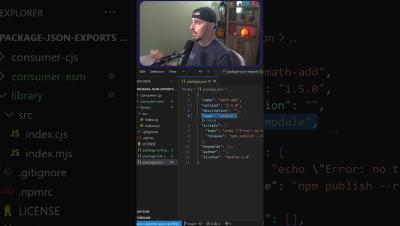
How to Use the Terraform Destroy Command to Control Cyber Attack Damage

In many cases, cutting something off is necessary to avoid bigger damage. This is the idea behind controlled infrastructure removal, the elimination of some parts of your cloud infrastructure to contain an attack or remove a potential attack surface. It is an important part of infrastructure-as-code (IaC) management and something organizations need to be familiar with as they secure their cloud environments and the apps they develop.
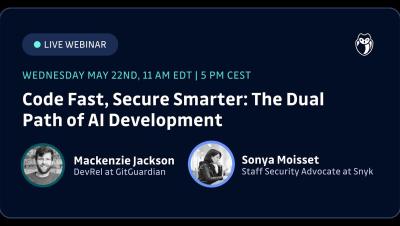
Blue Green Deployment vs Canary

A buggy rollout or, even worse, a security breach can lead to user frustration, lost trust, and damaged reputation. To keep users happy and your brand protected, you need a robust deployment strategy that balances seamless updates with ironclad security. 32% of customers abandon a brand they love after just one negative interaction. For software teams, this means that every update is a high-stakes moment. Can we ensure both a positive user experience and robust protection during every rollout?

Teleport Workload Identity with SPIFFE: Achieving Zero Trust in Modern Infrastructure

Teleport Access Platform generates cryptographic identity for users, machines, devices, and resources, creating a single source of truth for what users and machines are accessing what in your modern infrastructure. Now, engineers will be able to generate identity specific to workloads and services, enabling your full modern infrastructure stack to operate with zero trust authentication.

Responsible AI Licenses (RAIL): Here's What You Need to Know

Responsible AI Licenses (RAIL) are a class of licenses created with the intention of preventing harmful or unethical uses of artificial intelligence while also allowing for the free and open sharing of models between those who intend to use and improve them for authorized purposes. Anyone can make their own version of RAIL for their model, and in doing so can create more or less restrictions than those detailed in the template licenses.

How to Extract Content from VMDK Files

Virtualization technology has revolutionized the IT landscape, enabling businesses to optimize their infrastructure and improve the flexibility of their systems. One of the key components in virtual environments is the Virtual Machine Disk (VMDK) file format, developed by VMware. Extracting content from VMDK files can be crucial for system management and data recovery. This article explores the nature of VMDK files, reasons for extracting their contents, and various methods to achieve this, including the use of DiskInternals VMFS Recovery.

User Account Control Settings Hardening Guide (2024)

User Account Control (UAC) serves as a security feature in Windows, aiming to safeguard the operating system from unauthorized modifications. Whenever alterations demand administrator-level permissions, UAC prompts the user, allowing them to either authorize or reject the requested change. User Account Control (UAC) provides several benefits, especially in maintaining security and minimizing risks associated with administrative privilege.