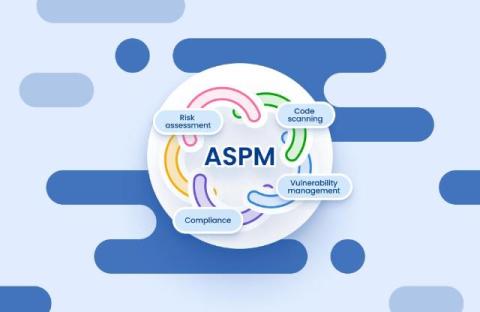
Application security posture management (ASPM) centralizes and automates the monitoring, evaluation, and management of application security across an organization’s software lifecycle. ASPM provides a unified view of the risk posture by aggregating data from various security tools, such as static application security testing (SAST), dynamic application security testing (DAST), software composition analysis (SCA), and runtime protection solutions.
What happens when real attackers target your infrastructure —and your team has to defend it in real time? Join us on July 15th to the full documentary.
Enterprise AI adoption is accelerating rapidly, with organizations deploying large language models and AI agents to access sensitive corporate data and automate critical business processes.
Mend.io, formerly known as Whitesource, has over a decade of experience helping global organizations build world-class AppSec programs that reduce risk and accelerate development -– using tools built into the technologies that software and security teams already love. Our automated technology protects organizations from supply chain and malicious package attacks, vulnerabilities in open source and custom code, and open-source license risks.
Remember that moment when your business started to boom? New clients appeared, website traffic surged, and you could feel your old hosting struggling to keep up with the load. Sound familiar, right? Many entrepreneurs go through this, as company expansion always brings new challenges. But what if I told you there's a tool that can not only help you overcome these challenges but also become a true locomotive for your scaling efforts? We're talking about VPS servers.
Mend.io, formerly known as Whitesource, has over a decade of experience helping global organizations build world-class AppSec programs that reduce risk and accelerate development -– using tools built into the technologies that software and security teams already love. Our automated technology protects organizations from supply chain and malicious package attacks, vulnerabilities in open source and custom code, and open-source license risks.
You’ve made the leap. Kubernetes is up and running. You’ve reduced your hypervisor footprint, containerized your workloads, and unlocked new levels of agility. But now the Day 1 operations are behind you—the real challenge surfaces: protecting Kubernetes. How do you protect this dynamic, fast-moving environment without slowing down your team, racking up hidden costs, or duct-taping together a fragile backup system?
If you’ve ever been burned by a late-stage security patch—hours before a release, in production, or during a holiday—you know patch management isn’t just an IT checkbox. It’s a make-or-break part of modern software delivery. Yet too often, it’s reactive, fragmented, and bolted on after the fact. This guide breaks down how to make patch management a proactive, automated, and developer-aligned process—without slowing you down.