Effective security programs promote collaboration between developers and security teams. Many organizations aim for a seamless developer experience that allows security teams to build guardrails directly into dev workflows, breaking down silos, and promoting collaboration between these departments.
Hybrid operations are becoming an increasingly prevalent part of the business landscape. Certainly, this offers some fantastic opportunities for companies to reduce overhead costs and gain access to international talent. Yet, there are some distinct challenges hybrid workforces face, too.
This month has been full of new feature announcements, as well as various improvements to security team workflows. Read on to learn more about how you can leverage Nightfall's latest offerings.
DevSecOps, or secure DevOps, is the mindset in software development that everyone is responsible for application security. By integrating developers with IT operations and focusing everyone on making better security decisions, development teams can deliver safer software with greater speed and efficiency. In practice, DevSecOps can add some friction and hinder the development process.
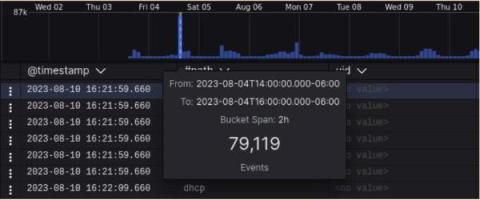
In this blog, I’ll share a few NetOps observations of the Black Hat network that I made during my time serving in the Black Hat Network Operations Center (NOC). My hope in doing so is to spark some ideas on how you can use an existing tool like Zeek for a new purpose. These insights were particularly revealing, despite not being linked to any security incidents.
In order to help organizations more effectively secure their cloud environments, we are making changes to our Cloud SIEM product. As of December 4, Datadog has introduced a new offering in Cloud SIEM: Cloud SIEM 15-Months Retention, which automatically stores logs for 15 months after ingestion.
GitHub is a mission-critical software development and version control platform that is used to store proprietary source code and other sensitive data. Monitoring logs generated by activity in your GitHub environment can be useful, as unexpected patterns of behavior could indicate attacker activity or insider threats.