Security | Threat Detection | Cyberattacks | DevSecOps | Compliance

Smarter SIEM starts here: Context, speed, and the power of MCP

Traditional SIEMs were built for a simpler time, when infrastructure was static, data was structured, and threats were easier to spot. Designed to collect logs and centralize alerts, they gave organizations a single pane of glass into their environment. Visibility isn’t enough anymore.

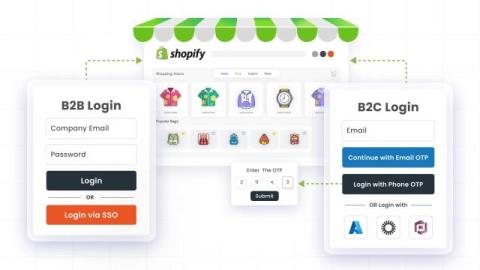
How to Secure Your Umbraco Website with Two-Factor Authentication (2FA)?

Umbraco is known for being a powerful, flexible, and user-friendly CMS. But like any content management system, its BackOffice and Member login portals can be easy targets for cybercriminals. Let’s see how you can protect your Umbraco website using 2FA security.

Understanding the Role of Misconfigurations in Data Breaches in Cloud Environments

Key Takeaways Cloud misconfiguration is the silent epidemic destroying enterprise security. While organizations accelerate cloud adoption across cloud environments, Gartner analysis shows that through 2025, 99% of cloud security failures have been the customer’s fault, primarily due to misconfigurations. For decision-makers, this represents a critical business risk that demands immediate strategic attention.

The Case for Native Staking: What the Kiln Incident Reveals

On September 8, 2025, a sophisticated attacker compromised a prominent staking provider’s infrastructure and walked away with customer funds. The breach at Kiln was not prevented by audits, penetration tests, or SOC 2 compliance, all of which were in place. The attacker used state-actor-level techniques that evaded every security measure.

Emerging Threat: Apache Tomcat Vulnerability CVE-2025-55752

CVE-2025-55752 is a path traversal vulnerability in Apache Tomcat. It comes from a regression introduced during a past bug fix. Because of this flaw, Tomcat normalizes URLs before decoding them, which lets attackers craft requests that bypass access controls and reach restricted directories like /WEB-INF/ and /META-INF/. In deployments where HTTP PUT is enabled, an attacker could upload files through this path and potentially gain remote code execution (RCE).

Smarter Support, Safer Systems: How AI Service Desks and Intent Signals Boost Security & Revenue

Support isn't just about solving customer issues but it's about safeguarding every digital interaction. As remote work expands and customer expectations rise, service desks have quietly become the frontlines of both user experience and cybersecurity. Yet, many organizations still rely on outdated, manual workflows that leave room for breaches, data exposure, or simply delayed responses that frustrate users and erode trust.

Certifications That Matter: Is PRINCE 2 Right for Your Team?

Are you looking for a way to bring more structure and success to your projects? The PRINCE 2 (Projects IN Controlled Environments) methodology is a globally practised approach to project management. Firmly established as a leading method, it provides a practical and accessible framework that ensures projects deliver beneficial outcomes. For any team seeking to enhance its project governance and adopt a consistent, process-driven approach, understanding PRINCE 2 is the first step toward greater efficiency and control.

Leveraging AI-Driven Diversity Hiring Software to Eliminate Bias in Recruitment

Building a diverse workforce is no longer just a goal; it's a proven strategy for success. Diverse teams are more innovative and achieve better financial results. However, creating a truly fair and inclusive hiring process can be challenging. Many companies lack the right tools to overcome hidden biases. This is where AI-powered diversity hiring software comes in, offering a powerful solution to level the playing field and help you build the strongest, most representative team possible.

HIPAA Security Rule updates: A proposed 15day patch mandate for critical vulnerabilities

Healthcare is facing a new urgency curve. Proposed updates to the HIPAA Security Rule for 2025 include a definitive patching clock: Remediate critical vulnerabilities within 15 calendar days of identifying the need—if a patch is available—or within 15 days of a patch becoming available. This means SecOps and ITOps teams managing clinical workstations, back-end servers, and multi-OS estates across hospitals and clinics might need to revise their patching cycles to stay compliant.