Security | Threat Detection | Cyberattacks | DevSecOps | Compliance

How To Handle Increasing Needs for Privileged Access as Your Organization Expands

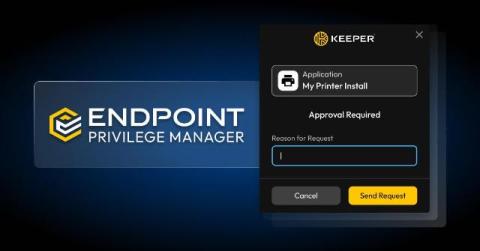
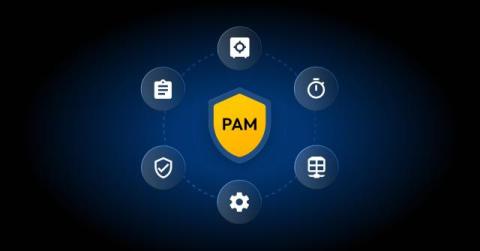
The best way to handle increasing privileged access needs as your organization expands is to choose a Privileged Access Management (PAM) solution that grows with you. PAM refers to managing and securing accounts with access to privileged information, including sensitive systems and data. IT administrators, HR staff and other employees with access to sensitive information should be managed with a PAM solution to protect your data and reduce the risk of cyber attacks.

How To Adjust Your PAM Strategy for Growth

The best way to adjust your Privileged Access Management (PAM) strategy for growth is to choose a cloud-based PAM solution that scales with your organization. You may face many challenges when adjusting your PAM strategy as your organization grows, including more complex infrastructure, a higher number of login credentials to manage and increased security risks, so you need to have a flexible PAM solution.

Benefits of Using Hardware Security Keys on iOS

Some benefits of using hardware security keys on iOS include protection against various cyber attacks, a smoother login experience and increased privacy. Since all mobile Apple devices use iOS, protecting them with Multi-Factor Authentication (MFA), such as hardware security keys, is important because requiring another way to verify your identity adds another layer of security.

Do You Need More Than One PAM Solution?

No, you don’t need more than one Privileged Access Management (PAM) solution to protect your organization if you find one that encompasses zero-knowledge security, granular access control, session management and automated password rotation. Previously, your organization may have needed multiple PAM solutions for various tasks; however, KeeperPAM is a unified platform that provides centralized cloud management of privileged access, passwords, secrets and connections.

FedRAMP Equivalent vs FedRAMP Authorized

The Federal Risk and Authorization Management Program (FedRAMP) is a U.S. government program designed to standardize and streamline the assessment, authorization and continuous monitoring of cloud computing services for federal agencies. It establishes a consistent set of security requirements for Cloud Service Providers (CSPs) to ensure their products meet the rigorous security and privacy needs of the federal government.

Is TikTok Shop Safe?

TikTok Shop is generally safe to buy from, but it’s important to be careful when purchasing from the online marketplace. TikTok Shop is a segment of TikTok that allows you to buy items from your favorite content creators and influencers. The online marketplace launched in the U.S. in September 2023, and approximately 5% of all American consumers purchased a gift from TikTok Shop during the 2023 holiday season, according to Forbes.

2024 in Review: Keeper Security's Innovations in Cybersecurity

At Keeper Security, product innovation is the cornerstone of our mission to empower our customers to protect their credentials, secrets and connections, and to reduce the risk of cyber attacks. In this blog, we take a closer look at some key product and feature releases that made 2024 another transformative year for Keeper. To stay up to date with all product releases and enhancements, view the Keeper Release Notes.

IAM vs PAM: What's the Difference?

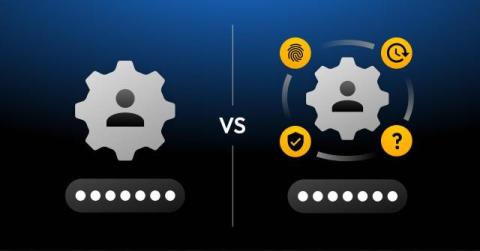
The main difference between Identity and Access Management (IAM) and Privileged Access Management (PAM) is that IAM manages who has access to which resources, while PAM secures access to sensitive information. IAM involves solely user identities, and PAM falls under the umbrella of IAM by monitoring user identities with access to privileged data. Continue reading to learn more about IAM and PAM, their key differences and when to implement them in your organization.

How Williams Racing Secures Its Global Operations With Zero-Trust Cybersecurity

In the intense arena of Formula 1 racing, every millisecond counts – not just on the track but also in protecting the valuable data that drives success. Williams Racing, a team that has an impressive record in F1 with nine Constructors’ Championships and seven Drivers’ Championships, recently faced a critical challenge: securing sensitive data across a global operation while maintaining the lightning-fast access their team needs to compete.