Security | Threat Detection | Cyberattacks | DevSecOps | Compliance

What's New With Keeper | December 2025

The latest updates to KeeperAI threat detection introduce meaningful updates across PAM resources, PAM configuration settings, gateway settings and session history, providing an enhanced security layer within the web vault architecture. KeeperAI automatically monitors and analyzes SSH sessions in real-time to identify suspicious or malicious activity, ensuring that high-risk sessions are automatically terminated and all user activity is analyzed and categorized.

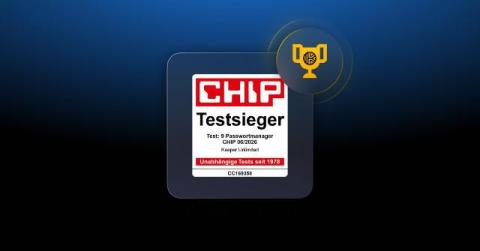
Keeper Named a Global Cybersecurity Leader in G2's Winter 2026 Reports

Keeper Password Manager has been recognized as a global cybersecurity leader by users on G2, the world’s largest and most trusted software marketplace. The G2 Winter 2026 Reports highlight Keeper’s strong performance and continued growth across multiple complex cybersecurity categories and regions, including KeeperPAM’s debut in the Privileged Access Management (PAM) reports.

Top 7 NHI Risks and How To Mitigate Them

Non-Human Identities (NHIs) are identities used by machines, applications and automated processes. They rely on credentials — such as API keys, tokens, or certificates — to authenticate and access systems, services and data. The exponential growth of NHIs in modern IT infrastructure makes securing them an operational necessity. NHIs are gradually outnumbering human users in most enterprise environments, and without proper oversight, they can introduce many security vulnerabilities.

Keeper Browser Extension vs KeeperFill: What's the Difference?

Keeper Security offers leading cybersecurity solutions, including password management and Privileged Access Management (PAM), trusted by millions of users and over 100,000 organizations to protect their credentials and enhance their security. Keeper securely stores and autofills your login credentials, payment details and other sensitive information, ensuring you are the only one who can access your Keeper Vault. The main difference between the Keeper Browser Extension and KeeperFill is their function.

Rethinking the Identity Stack: Why Modern PAM Is Essential

As enterprises scale their infrastructure across on-premises, hybrid and cloud environments, traditional Identity and Access Management (IAM) tools are struggling to keep up. Legacy Privileged Access Management (PAM) platforms were built to support static infrastructures and were not designed for today’s multi-cloud environments. They have been shown to increase complexity, create gaps in security coverage and cause significant budget strain.

Nevada's Ransomware Wake-Up Call: The Case for Privileged Access Management

The Governor’s Technology Office (GTO) of the State of Nevada recently released an “After Action Report” on the statewide ransomware attack that disrupted state systems for nearly one month in August 2025. The report details not only what happened but also the coordinated incident response from the GTO, vendors and law enforcement partners from local, state and federal agencies.

Top Secrets Management Tools in 2026

Organizations rely on a combination of internal systems and cloud services to run their business, all of which require sensitive credentials, such as API keys, SSH keys, database passwords, tokens and certificates. Secrets management refers to the storing, organizing and managing of these credentials to prevent unauthorized access.

What is KeeperAI?

KeeperAITM is an agentic, AI-powered engine embedded within KeeperPAM that delivers real-time threat detection and response, as well as privileged session analysis. Built for Privileged Access Management (PAM), KeeperAI monitors user activity, providing behavioral insights and automated incident response in both live SSH sessions and post-session playback.

Keeper Desktop Now Available on the Linux Snap Store

With the release of Desktop and Web Vault Update 17.4, Keeper Security’s desktop app is now available on the Linux Snap Store, bringing zero-trust, zero-knowledge password management and digital vault functionality to millions of Linux users. Designed with performance, privacy and platform flexibility in mind, Keeper delivers a secure solution that empowers users to manage their credentials and secrets without compromise.

What is Credential Abuse?

Credential abuse occurs when cybercriminals use stolen or leaked credentials to gain unauthorized access to online accounts and critical systems. As part of broader cyber attacks, credential abuse is a highly effective attack vector, especially when many people reuse the same password across multiple accounts. Credential abuse can lead to data breaches, identity theft, financial loss and lasting reputational damage for both individuals and organizations.