Security | Threat Detection | Cyberattacks | DevSecOps | Compliance

Top 10 Privileged Access Management (PAM) Tools in 2026

For accounts that possess the utmost sensitive information and critical systems, managing who gets access to what is vital. This is where PAM tools play an important role. Privileged Access Management is a lucrative branch of IAM designed to monitor, record, and protect critical resources for accounts. However, have you thought about the repercussions of choosing the wrong PAM?

What is Secrets Management: An Essential Guide to Securing Credentials in Modern DevOps

We are surrounded by generative AI tools, cloud-based solutions, and AI assistants that often perform functions for us. We tend to share data with them for smoother operations and to automate our work for enhanced productivity. The non-human tools are a playground for cybercriminals to access the data and damage critical infrastructures. So, it is paramount for us, especially organizations, to protect the shared information, along with the access rights of the non-human entities.

Identity Assurance: Reinventing Trust in a Cyber-First World

Identity is everything. Hamper it, and the individual is left with disrupted privacy, reputation damage, and endless fraud. Attackers are always on the lookout for access to resources and accounts via identity theft, credential theft, and Account Takeover Attacks (ATO). So, it is paramount to leverage solutions that securely link a user’s identity with who they claim to be. Identity assurance offers frameworks, components, and best practices to safeguard modern-day identities.

Access Governance: How to Track Access, Approvals, and Revocation with Audit Logs

As organizations continue to adopt more SaaS applications, managing access across those systems has quietly become one of the most complex operational challenges for IT teams. Identity providers, collaboration tools, cloud platforms, and business applications all have their own access models, their own admins, and their own ways of tracking permissions. In most organizations, there still isn’t a truly streamlined or automated way to handle access end to end.

Zero Trust Implementation: Why it Matters and How to Implement

Zero Trust is a security mindset and architecture that assumes no user, device, or network is inherently trustworthy, requiring continuous verification for every access request. Unlike a single tool or product, it requires a holistic strategy that integrates strong identity controls, such as MFA and least privilege access. Success with Zero Trust hinges on cultural shifts, executive buy-in, and ongoing adaptation to threats that emerge beyond the initial setup.

PunchOut Integration with Shopify: Everything You Need To Know

B2B buyers today expect corporate procurement to feel as seamless as shopping online on any modern ecommerce store, but with the higher control, stronger compliance, and streamlined approval workflows their companies require. They don’t want to toggle between supplier websites, manually handle product details, or deal with pricing inconsistencies.

Authenticate Users in Joomla Using the REST API: A Practical Guide for Developers

Modern Joomla applications are no longer limited to traditional website workflows. Today, Joomla powers mobile apps, headless frontends, third-party integrations, and backend services that rely heavily on REST APIs. In all these cases, secure API authentication becomes a foundational requirement.

Employee Cybersecurity Awareness Training: Why It Matters?

As we approach 2026, cybersecurity threats continue to escalate in complexity and frequency. With organizations increasingly reliant on digital infrastructure, the human element remains the most vulnerable entry point for cyberattacks. Studies show that 95% of data breaches stem from human errors, which can be employees clicking on malicious links, using weak passwords, or mishandling sensitive data.

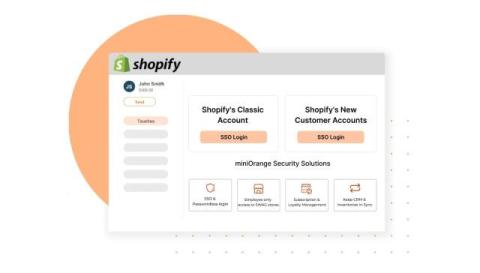
Secure & Unified Login for Shopify Plus Storefront via Single Sign-On

On Shopify Plus, every part of the customer journey needs to feel effortless — and the login experience sits right at the front. When you’re running multiple Shopify Plus stores, catering to global shoppers, or managing a growing network of B2B customers, even small login roadblocks can escalate into bigger issues: customer drop-offs, abandoned carts, and frustrated buyers. Shopify's built-in login options work for simple stores, but Plus merchants often face more complex identity challenges.