Remove the stress of remembering every password for every one of your accounts. Get Keeper. Use code SPAWN50 to get 50% off personal and family plans at checkout.
Clicking on malicious links can infect your device with malware and lead to compromised accounts. Protect yourself by always checking the link to see if it's safe before you click on it. Learn more about the importance of checking a link that you’re sent and how you can check if a link is safe.
As AI becomes more advanced, it's important to consider all the ways AI can be used maliciously by cybercriminals, especially when it comes to cracking passwords. Cybercriminals can use AI to perform 3 different types of password-cracking attacks: acoustic side-channel, brute force and dictionary attacks. Learn more about these AI-powered password-cracking attacks.
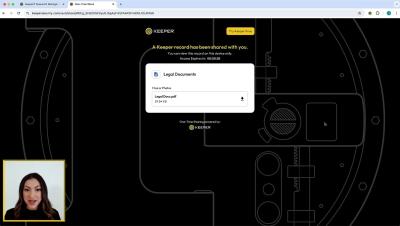
Watch the recording of our exclusive webinar featuring Craig Lurey, CTO & Co-founder of Keeper Security. Discover how KeeperPAM is revolutionizing privileged access management by seeing a walkthrough of the newest KeeperPAM features and a live demo showcasing its functionality.
If you click on a phishing link you should immediately disconnect your device from the internet, scan your device using antivirus software and keep a lookout for suspicious activity and transactions on your online accounts. Learn more about what a phishing link is and what to do if you click on a phishing link.
If you accidentally answer a spam call, scammers know your number is connected to a real person and can target you with more calls. These targeted spam calls will try to trick you into giving up your personal information which allows cybercriminals to steal your money, your identity and even your voice. Learn more about how cybercriminals can exploit you using spam calls.
If your Social Security number was found on the dark web, you should freeze your credit reports, lock your SSN, create a mySocialSecurity account and report your stolen SSN to the Federal Trade Commission. Let’s learn more in-depth about the steps you should take to protect your identity.
Malicious software, also known as malware, is a program that is designed to harm computer systems and devices. Cybercriminals target individuals with malware by creating spoofed websites, sending fake emails or messages, executing drive-by download attacks or deceiving users to download programs from a fake source. Learn more about how malware is delivered and how to prevent malware attacks.