Security | Threat Detection | Cyberattacks | DevSecOps | Compliance

The latest News and Information on Security Incident and Event Management.

Elastic's detection rules are still open for business - plus further visibility to data quality

Given the increasing frequency, tempo, and sophistication of cyber attacks, it's more important than ever that organizations take a proactive approach to protecting their sensitive data and assets. One of the most critical elements of effective cybersecurity is openness. An open approach to cybersecurity means being transparent, sharing knowledge, and collaborating to build more robust defenses against threats.

RCA Series: Root Cause Analysis Overview

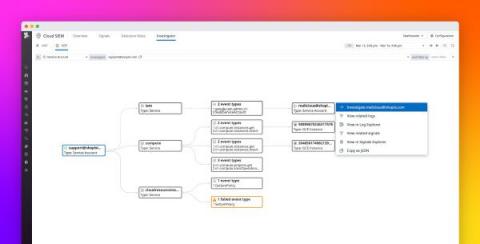
Root cause analysis plays an important role in web applications, IT operations, security, and industrial OT. This video series explains general approaches to root cause analysis and how Elastic accelerates the process with visualizations and dashboards, machine learning to detect anomalies and classify conditions, and interactive tools that empower analysts to drill into additional information that lead to root cause of potential system issues and security incidents.

Supercharge Microsoft Sentinel SIEM with SenseOn

Security information and event management (SIEM) solutions like Microsoft Sentinel SIEM are at the heart of most security operations teams. But like any SIEM, while Microsoft Sentinel can be an incredible tool for centralising security data, it also risks being expensive and ineffective. In a recent webinar I discuss these problems and how SenseOn can help supercharge Azure Sentinel. You can now watch this webinar anytime online.

Improving Cyber Resilience: How Logsign Unified SO Platform Outshines SIEM, SOAR, and XDR

What are the key differences between SIEM, SOAR, XDR & Logsign Unified SO Platform? SIEM, SOAR, XDR and Logsign USO Platform are all cybersecurity technologies that help organizations detect, investigate, and respond to cyber threats. However, they differ in their scope, capabilities, and focus. Here are the key differences between them.

SIEM vs. MSSP vs. MDR: An Essential Guide

Cybersecurity is a constant journey, always full of fresh challenges. New threats keep popping up. Endpoint-only solutions are ineffective. And the cybersecurity skills shortage makes it difficult to recruit and retain top talent — especially with the increasing salaries required to be competitive. You may consider a security operations center (SOC), until you find out that operating one in-house is prohibitively expensive and time-consuming.

Fewer Organizations Outsourcing SOC Activities in 2023

For years, security leaders have debated the advantages of building in-house security operations centers or outsourcing the SOC function to a third party. Both options have their pros and cons. The best choice for each organization depends on a few factors: the type of threats it encounters, the resources it has at its disposal, the complexity and breadth of their attack surface, and the commitment it wants to make to advanced threat hunting.

The Phases of the Digital Forensics Investigation Process

Investigating a security event is the less glamorous version of an episode of CSI: Crime Scene Investigation. Without the snazzy, high-end, mostly-fictitious technology that television shows you, your actual digital forensics investigation usually involves an arduous process of reviewing technical data and looking for the breadcrumbs a malicious actor left behind.

Fortifying data security: 5 features your data store must have

In an era where data is often referred to as the “new oil,” the importance of data security can't be overstated. Breaches can lead to financial losses, reputational damage, and lost trust among customers and stakeholders. One primary step toward mitigating security risks is choosing a data store that has been designed with a robust security framework.