Security | Threat Detection | Cyberattacks | DevSecOps | Compliance

Managed IT services for health care: What MSPs need to deliver in 2026

Heath care organizations are under attack. That's not news. But how serious is the threat? Consider these numbers from the IBM Cost of a Data Breach Report 2025: Health care organizations need help, and managed service providers (MSPs) can drive revenue and grow their businesses by providing it. But working in health care isn't like working in other industries.

Why Every Company Should Consider Random Drug Testing

Maintaining a secure office space requires proactive steps from modern business leadership. Many corporate owners overlook the daily workplace hazards that unaddressed substance issues can easily create on the job site. Lack of awareness can lead to severe operational setbacks for the entire company. Implementing smart safety measures protects your valued workforce and your bottom line. Random screenings offer an unbiased path toward a cleaner, more focused work environment for everyone. Taking action now positions your enterprise for long-term operational success.

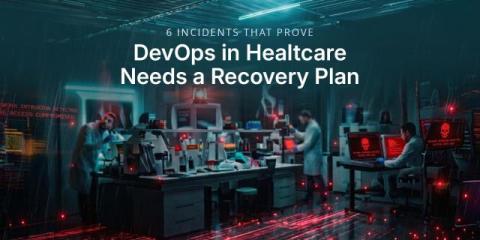
6 Incidents that Prove DevOps in Healthcare Needs a Recovery Plan

Healthcare cybersecurity is usually discussed in terms of patient data and regulations like HIPAA. But software teams in healthcare need to protect the development layer with the same rigor. After an incident, teams need a trusted record of the codebase and the project context around it. Without this safeguard, they’re guessing at what changed and what’s safe to restore.

NIS2 compliance for health care MSPs: what you need to know and do

Twenty of 27 EU member states had transposed the NIS2 Directive into national law by January 2026 (Wavestone, NIS2 transposition status, 2026). The remaining seven are under formal infringement proceedings from the European Commission. If you run an MSP serving health care clients in the European Union, NIS2 compliance is no longer a regulatory horizon problem. It is the operating environment.

Why More Clinics Are Switching to AI Medical Scribes in 2026

Walk into almost any clinic today and you will notice something different about the way doctors work. Fewer of them are typing while talking to patients. Fewer are staying late to finish notes. A big reason for this shift is the rise of the AI medical scribe solution, a tool that listens to patient visits and turns the conversation into organized clinical notes.

What Healthcare Organizations Look for in a Reliable Transportation Partner

Healthcare organizations depend on much more than skilled physicians, advanced technology, and modern facilities. Behind every successful patient experience is a network of support services that help individuals access medical care safely and on time. Among these services, transportation plays a critical role, especially for elderly patients, individuals with disabilities, and those requiring regular treatments.

How HIPAA Penetration Testing Differs From Standard Security Audits

Healthcare organizations operate under a level of scrutiny that most industries never face. Patient records carry legal protections, and the systems that store them are high-value targets. A general security audit can surface some vulnerabilities, but it was never designed to address the full weight of healthcare compliance. Knowing what separates a HIPAA-specific penetration test from a routine security review helps organizations invest their security resources where they actually matter.

How Healthcare Practices Can Reduce Billing Delays and Administrative Pressure

Billing delays are one of the most common and costly problems in healthcare administration. They affect more than just revenue - they pile extra work onto staff, create unpredictable cash flow, and pull attention away from patient care. For many practices, the issue isn't a lack of effort but a lack of structure. When intake is inconsistent, follow-up is reactive, and billing tasks compete with everything else on a team's plate, delays become the default rather than the exception. Building a more reliable billing operation starts with understanding where the friction actually comes from.

How Cuffless Blood Pressure Monitors Are Redefining Patient Privacy in Digital Health

Healthcare technology is undergoing a fundamental shift in how we monitor vital signs. Cuffless blood pressure monitors represent one of the most significant advances in this transformation-not just for their convenience, but for how they're addressing one of modern medicine's most pressing concerns: patient data privacy. As health monitoring becomes increasingly digital and continuous, the question of who controls our most intimate health information has never been more critical.