Security | Threat Detection | Cyberattacks | DevSecOps | Compliance

What is Protected Health Information (PHI)?

Protected health information (PHI) is any information about health status, provision of health care or payment for health care that is created or collected by a covered entity, or their business associate, and can be linked to a specific individual. The Health Insurance Portability and Accountability Act of 1996 (HIPAA) requires covered entities to implement safeguards to ensure the confidentiality, integrity and availability of PHI.

Cyber Threats to Medical Imaging Systems and How to Address Them

Healthcare continues to see staggering growth in breaches to patient health information. In the first half of 2019 alone, 32 million health records were breached, compared to 15 million records in the entire year of 2018. However, this trend of growing cyber breaches in healthcare is likely to persist due to the following characteristics of the healthcare industry...

Medical apps & privacy: where are we?

Image Source: Unsplash Finding a new health-related app that tracks symptoms, increases self-care behaviors, or offers disease-specific education can be exciting for consumers. However, many apps share information with a host of other companies for marketing purposes. Often, these companies have nothing to do with healthcare and are not even a business the individual uses.

Protecting Modern IoMT Against Cybersecurity Challenges

Even though the healthcare industry has been slower to adopt Internet of Things technologies than other industries, the Internet of Medical Things (IoMT) is destined to transform how we keep people safe and healthy, especially as the demand for lowering healthcare costs increases. The Internet of Medical Things refers to the connected system of medical devices and applications that collect data that is then provided to healthcare IT systems through online computer networks.

3 ways to mitigate data manipulation risk in drug development

Introduction Developing new drugs is an expensive, time-consuming endeavor. A critical output of the drug development process, besides the compound itself, is data. As you may have read recently, Zolgensma™ re-surfaced in the press because of supposed data manipulation in a specific animal testing procedure. Needless to say, this is a big deal.

How hospitals can secure patient data by equipping clinicians

Healthcare breaches continue to be featured in the news. Hospitals continue to be ideal targets for hacking and other cybersecurity threats. This is evidenced by the increasing number of cyber attacks, including sophisticated ransomware attacks on hospitals. Many hospitals are beefing up their technologies and infrastructure to address the threat of cyber attacks. But they are neglecting a major weak link in data security: the clinicians.

6 Reasons you Should Consider an Annual Penetration Testing Especially in Healthcare

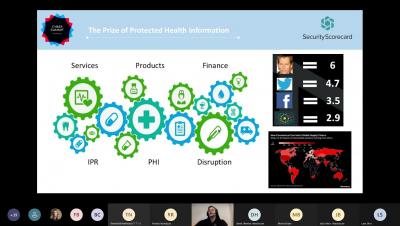
Breaches are widely observed in the healthcare sector and can be caused by many different types of incidents, including credential-stealing malware, an insider who either purposefully or accidentally discloses patient data, or lost laptops or other devices. Personal Health Information (PHI) is more valuable on the black market than credit card credentials or regular Personally Identifiable Information (PII).

Top 7 Healthcare Cybersecurity Frameworks

Today, the healthcare industry has become prone to cyber-attacks, just like in any other sector. One notable fact within all those fields is the similarities in existing as well as emerging threats. At the same time, there is an increasing need for organizations to reassure their customers and regulators that their networks and systems have incorporated adequate security measures. One way of achieving this goal includes complying with various recognized security standards and frameworks.

What You Need to Know About Secure Mobile Messaging in Healthcare

With the majority of people using smartphones these days, texting is all but a given when trying to communicate with your friends or family. But what about your doctor? A recent study determined that 96 percent of physicians use text messaging for coordinating patient care. This can raise eyebrows and red flags.