Security | Threat Detection | Cyberattacks | DevSecOps | Compliance

Domain (in)security: the state of DMARC

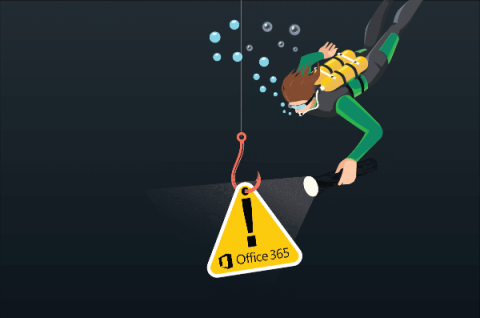
As people have grown comfortable with e-commerce and email correspondence, the techniques of scammers have become increasingly sophisticated and hard to detect. Many of us have heard of phishing attacks, in which bad actors coerce people into handing over sensitive information. These are usually carried out by impersonating a trusted third party – and overwhelmingly through email (Deloitte, 2020).

SMTP Smuggling Technique Bypasses Email Authentications Establishing Legitimacy

A newly-discovered technique misusing SMTP commands allows cybercriminals to pass SPF, DKIM and DMARC checks, empowering impersonated emails to reach their intended victim. Earlier this month, Timo Longin, security researcher with cybersecurity consulting firm SEC Consult published details on what is now referred to as SMTP Smuggling.

Surfing the Tidal Waves of HR-Themed Spam Emails

Threat actors constantly improve their tactics and are always on the hunt for technical or social vulnerabilities they can exploit. The pandemic-induced Great Resignation, massive layoffs, continuous company restructuring, and upcoming holidays make this a very busy time of changes in the labor force. Due to this upheaval, employees are always on the lookout for any updates from their Human Resources (HR) department, as HR often sends updates or notifications via company-wide email.

Holiday Scams Include Thousands of Impersonation Phishing Domains per Brand

Midstride in this year’s holiday shopping, it’s important to realize just how many websites exist that impersonate legitimate online retailers. More importantly, your users need to know how to spot these types of attacks before falling victim.

What To Do if You Click on a Phishing Link

If you click on a phishing link you should immediately disconnect your device from the internet, scan your device using antivirus software and keep a lookout for suspicious activity and transactions on your online accounts. Continue reading to learn what a phishing link is, what could happen if you click on a phishing link and how to avoid clicking malicious links.

The Rise of QR Code Phishing Attacks and How To Tackle Them

Kroll forensic examiners and threat intelligence analysts identified a new phishing tactic targeting individuals using QR codes. Victims receive phishing emails impersonating Microsoft, letting them know that additional security measures are required and asking victims to scan the QR code in the body of the email or the email attachment.

Brand New BazarCall Phishing Campaign Abuses Google Forms

A new BazarCall phishing campaign is using Google Forms to send phony invoices, according to researchers at Abnormal Security. “BazarCall/BazaCall attacks typically start with a phishing email designed to appear as a payment notification or subscription confirmation from a known brand,” Abnormal explains. “Within the email, recipients can find the amount to be charged—generally between $49.99 to $500 or more, depending on the subscription or service being impersonated.

Phishing Remains the Most Common Attack Technique, With Malicious URL Use Increasing 144%

Analysis of nearly a year’s worth of emails brings insight into exactly what kinds of malicious content are being used, who’s being impersonated, and who’s being targeted. I love data built on statistically relevant data samples, as the larger the data set, the more relevant and representative of an entire industry, country, or world it is. One such report is Hornetsecurity’s just released Cyber Security Report 2024.

Defending Against ChatGPT-Enhanced Phishing with Managed Detection and Response

Phishing, already a serious, ever-present threat, is getting even more pernicious thanks to ChatGPT, which enables threat actors to craft more realistic emails. Clearly, organizations need a way to fight back that recognizes the depth of the threat, including by employing managed detection and response services.