Security | Threat Detection | Cyberattacks | DevSecOps | Compliance

Financial Institutions in New York Face Stricter Cybersecurity Rules

Boards of directors need to maintain an appropriate level of cyber expertise, incidents must be reported within 72 hours after determination, and all ransom payments made must be reported within a day. Those are just some of the changes made by The New York State Department of Financial Services to its Cybersecurity Requirements for Financial Services (23 NYCRR 500), effective November 1, 2023.

New Data Reveals Top Drivers of Secure Software in Financial Services Sector

Across the globe, the financial services sector is affected by increased security regulations. To name a few, there is the United States’ Executive Order on Improving the Nation’s Cybersecurity, the European Union’s NIS2 Directive, the SEC’s new rules on disclosures, and ISO 20022.

Guarding the Vault: Unmasking Cyber Threats Facing the Financial Sector in 2023

Banks and other financial institutions have the one thing every criminal desires. Money. So, it only makes sense that cybercriminals prioritize attacking this industry sector, and it makes even more sense for these institutions to harden their systems to prevent attacks.

Advancing Digital Resilience in the Financial Sector

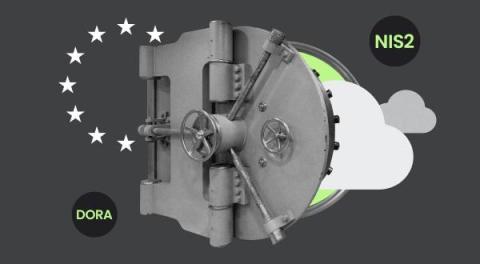
Financial entities throughout the European Union are preparing for the Digital Operational Resilience Act (DORA), a new piece of legislation to strengthen the digital resilience of credit institutions, investment firms, insurers, and more. DORA focuses on breach prevention and cyber resilience, meaning financial institutions must prioritize both protecting their attack surface and incident response planning.

Exchange Cash to Tether ERC20 (USDT)

You can exchange Cash to Tether ERC20 (USDT) at a more favourable rate if there is a decrease in cryptocurrency demand and vice versa on www.bestchange.com/dollar-cash-to-tether-erc20.html. Added additional nuances to this factor, such as the absolute decentralization of each ecosystem and the anonymity of each participant in the cryptocurrency market. There are excellent opportunities to increase your start-up capital without the risk of increased attention from centralized government authorities.

Building a cloud-based financial app with regulatory compliance

Financial institutions recognize the advantages of migrating apps to the cloud or adopting a multicloud approach. While modern technologies offer tremendous opportunities, they also present challenges related to safeguarding customer data, cybersecurity, and complying with the law in the strictly regulated finance sector. How can you create a cloud-based FinTech app and ensure its compliance with industry regulations?

Business Continuity Plans for Financial Institutions

Disasters rarely strike with advanced notice. That’s especially true in the business world, where there’s no such thing as a business meteorologist to forecast potential threats that may beset a company’s personnel or assets. That’s where a Business Continuity Plan comes into play.

Why is the Finance Sector a Target for Cyber Attacks?

According to the Bank for International Settlements, the financial sector is most targeted by hackers, after the healthcare sector. Finance businesses handle and manage large amounts of financial data, making them prime targets for cybercriminals. According to the Financial Stability Board, a serious cyber incident could destabilize financial systems, impacting critical infrastructure and the economy.

Feedback from Your Audience: 4 Effective Ways to Gather Valuable Insights

In the rapidly evolving landscape of business and communication, understanding your audience has become an integral part of achieving success. Businesses, content creators, and organizations are constantly seeking ways to engage with their audience on a deeper level, and the innovative tool of a check stub maker can play a pivotal role in streamlining financial processes and gathering valuable insights.