Security | Threat Detection | Cyberattacks | DevSecOps | Compliance

3 Layers to Defend Your Kubernetes Workloads

Researchers at Netflix and Google recently reported a vulnerability in the HTTP/2 protocol that enables adversaries to execute a DOS attack by legitimate use of the protocol. These types of attacks are very difficult to detect and mitigate because the traffic is valid HTTP/2 traffic. While HTTP/2 is a relatively new protocol it should be noted that even after several years of hardening we still see vulnerabilities for the TCP protocol like the recently reported SACK vulnerability.
How to Secure Kubernetes Using Cloud SIEM?

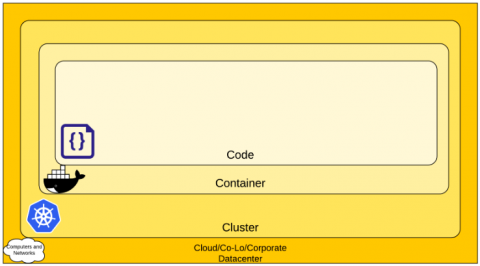
Kubernetes, commonly called K8s, is an open-source container management system developed by Google. Containers and tools like Kubernetes enable automation of many aspects of application deployment, which provides tremendous benefits to businesses. K8s is just as vulnerable to attacks and cybercrime as traditional environments, in both public and private clouds. In this blog post, we’ve compiled everything you need to know to make sure your Kubernetes environment is safe. Here is what we tackle.

Prevent DNS (and other) spoofing with Calico

AquaSec’s Daniel Sagi recently authored a blog post about DNS spoofing in Kubernetes. TLDR is that if you use default networking in Kubernetes you might be vulnerable to ARP spoofing which can allow pods to spoof (impersonate) the IP addresses of other pods. Since so much traffic is dialed via domain names rather than IPs, spoofing DNS can allow you to redirect lots of traffic inside the cluster for nefarious purposes.

Survey Reveals Kubernetes Usage Skyrocketing, but Security Concerns Remain

Containers have become a popular technology for enterprises that need to create agile, scalable and reliable applications. As they’re moving containerized workloads into production, many are adopting Kubernetes for container orchestration. While containerization enables DevOps to deploy software fast and efficiently, it also creates new security challenges, especially for those who’ve accelerated their implementation of this complex technology.

Falco in the open

One of the most successful aspects of Kubernetes is how functional the open source community was able to operate. Kubernetes broke itself down in smaller sections called special interest groups, that operate similarly to subsections of the kernel. Each group is responsible for a single domain, and sets their own pace. One of the most important things to a Kubernetes SIG, is the residual SIG calls.