Gravity Overview
Introducing Gravity, the Kubernetes packaging solution that takes the drama out of on-premise deployments.


We are excited to announce the general availability of Tigera Secure 2.5. With this release, security teams can now create and enforce security controls for Kubernetes using their existing firewall manager.
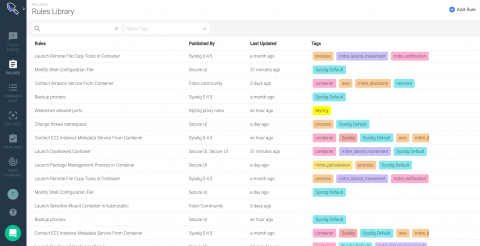
Among many other features Sysdig Secure version 2.4 introduces a new and improved runtime policy editor, along with a comprehensive library combining out-of-the-box run-time policies from our threat research teams, container-specific compliance standards, Kubernetes security and Falco opensource community rules.
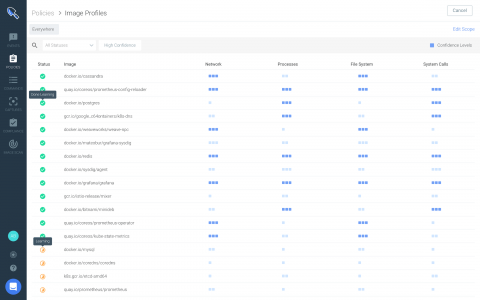
Today, we are excited to announce the launch of Sysdig Secure 2.4! With this release, Sysdig adds runtime profiling to enhance anomaly detection and introduces brand new interfaces that improve runtime security policy creation and vulnerability reporting. These features are focused on upgrading the experience of creating your security policy to detect security threats and attacks to your infrastructure and apps.