Security | Threat Detection | Cyberattacks | DevSecOps | Compliance

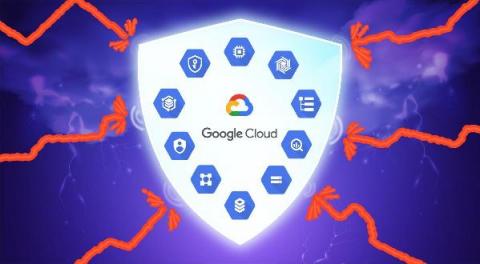
How to meet 24 Google Cloud Platform (GCP) security best practices using open source

You’ve got a problem to solve and turned to Google Cloud Platform and follow GCP security best practices to build and host your solution. You create your account and are all set to brew some coffee and sit down at your workstation to architect, code, build, and deploy. Except… you aren’t. There are many knobs you must tweak and practices to put into action if you want your solution to be operative, secure, reliable, performant, and cost effective.

Falco 101 - What is Falco?

Here we will introduce Falco as a threat detection engine, defining its concepts and key components - events, rules and alerts. For the full, free Falco 101 course, including fully interactive hands-on labs and much more content to gain expertise on Falco for all kinds of experience levels, visit the Sysdig learning portal. Below are some of the topics you can expect to find as part of Falco 101.

Image Scanning with GitHub Actions

Scanning a container image for vulnerabilities or bad practices on your GitHub Actions using Sysdig Secure is a straightforward process. This article demonstrates a step-by-step example of how to do it. The following proof of content showcased how to leverage the sysdig-cli-scanner with GitHub Actions. Although possible, it is not officially supported by Sysdig, so we recommend checking the documentation to adapt these steps to your environment.

Vulnerability management: 3 best practices and tips for image building and scanning

As enterprises adopt containers, microservices, and Kubernetes for cloud-native applications, vulnerability management is crucial to improve the security posture of containerized workloads throughout build, deploy, and runtime. Securing your build artifacts and deployment pipeline, especially when it comes to images, is extremely important.

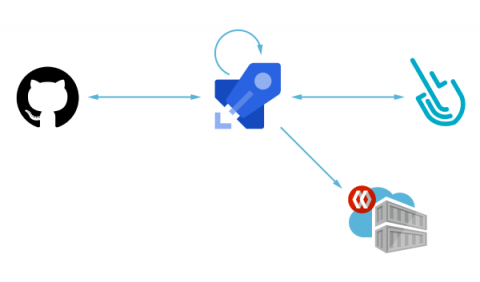
Container Image Scanning for Azure Pipelines with Sysdig

Scanning a container image for vulnerabilities or bad practices in your Azure Pipelines using Sysdig Secure is a straightforward process. This article demonstrates a step by step example on how to do it. The following proof of content showcased how to leverage the sysdig-cli-scanner in Azure Pipelines. Although possible, it is not officially supported by Sysdig, so we recommend checking the documentation to adapt these steps to your environment.

Threat news: TeamTNT targeting misconfigured kubelet

TeamTNT is a prevalent threat actor who has been targeting cloud and virtual environments such as Kubernetes and Docker since at least late 2019. This threat actor is financially motivated, focusing their efforts on stealing credentials and cryptomining. In 2020, we analyzed their use of Weave Scope on an unsecured Docker API endpoint exposed to the internet. In December 2021, we attributed an attack to TeamTNT in which they targeted a vulnerable WordPress pod to steal AWS credentials.

Prioritize Alerts and Findings with Sysdig Secure

If you work in Security or Operations, you are surely familiar with the concept of “alert fatigue.” Alert fatigue Syndrome is the feeling of becoming desensitized to alerts, causing you to potentially ignore or minimize risks and harming your capability to respond adequately to potential security threats.

KSPM and How to improve your Kubernetes Security Posture

Kubernetes Security Posture Management or KSPM refers to the security state and capabilities in place to manage the defense of the Kubernetes clusters and the workloads running on top of it. It tells us how well those capabilities can predict, prevent and respond to cyber threats in relation to Kubernetes. If that definition sounds familiar to you, it is because it is the common definition of Security Posture, but focused on Kubernetes Security.

Fixing potential security issues in your Infrastructure as Code at the source with Sysdig

Infrastructure as Code (IaC) is a powerful mechanism to manage your infrastructure, but with great power comes great responsibility. If your IaC files have security problems (for example, a misconfigured permission because of a typo), this will be propagated along your CI/CD pipeline until it is hopefully discovered at runtime, where most of the security issues are scanned or found. What if you can fix potential security issues in your infrastructure at the source?

10 best practices to containerize Node.js web applications with Docker

September 14, 2022: Check out our new and improved cheat sheet for containerizing Node.js web applications with Docker! Are you looking for best practices on how to build Node.js Docker images for your web applications? Then you’ve come to the right place! The following article provides production-grade guidelines for building optimized and secure Node.js Docker images. You’ll find it helpful regardless of the Node.js application you aim to build.