

SSL TLS are two encryption protocols that provide security for communication over the internet. SSL protocol has been around for many years, but both are still widely used today. Why is this? The answer is simple: these protocols work well to encrypt data sent between a client and server computer, which can be very important in protecting sensitive information such as credit card numbers or passwords. But what really sets them apart from each other?
If our friends Security and Networking were on Facebook, they would probably both list their relationship status as “It’s Complicated.” Sometimes everything’s great, but now and then things can get a little weird, unclear, or uncomfortable. At many organizations, there has traditionally been a barrier between the security and networking teams. Each team has its own objectives — and at times, those objectives can be at cross-purposes.
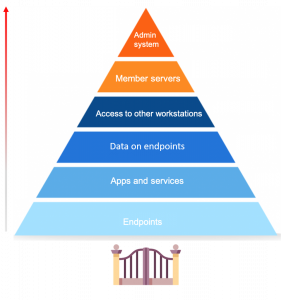
Endpoint security is a hot topic of discussion, especially now with so many businesses shifting to remote work. First, let’s define what endpoints are. Endpoints are end-user devices like desktops, laptops, and mobile devices. They serve as points of access to an enterprise network and create points of entry that function as gateways for malicious actors. Since end-user workstations make up a huge portion of endpoints, we’ll be focusing on their security.
HTTPS is a way to transmit data securely over the internet, and it is important for both business owners and consumers. Website owner enables HTTPS port TCP 443 to secure web pages, online transactions, email communication, and other types of data transfers on the internet.
If applying IP allow lists to the cloud excites you as much Another One Bites the Dust on volume 11, read on. In this blog, I’ll discuss some considerations regarding operationalizing, automating, and increasing the efficacy of IP allow lists in your cloud infrastructure. Although this discussion will be in the context of cloud infrastructure providers such as AWS, GCP, and Azure, it should also be applicable to other cloud infrastructure and application environments.
ManageEngine Firewall Analyzer reviews firewall logs to capture network security threats. It generates alerts upon detecting security threats and attacks, and notifies you, the security administrator, in real time. You can configure alerts to be sent via email, SMS, and more. With these real-time notifications, you can troubleshoot to take instant remedial action. You can also make changes to your firewall policies and configurations to prevent recurring security incidents.
As per UK DCMS’s data breaches survey, about 32% of businesses in the UK have faced a form of cybersecurity threat between 2018 and 2019. As a result of these network security vulnerabilities, these businesses incurred costs on lost data and many other damages that totalled £4,180.
Recently I attended another great Evanta CIO event, and in the course of a day packed with excellent talks and knowledge-sharing opportunities, I had the opportunity to sit down and discuss the topic of network and security transformation with Stuart Hughes, the CIDO at Rolls Royce. Stuart shared his experiences over the past 18 months, discussing how the pandemic—among other things—had changed his strategic approach to security.