Security | Threat Detection | Cyberattacks | DevSecOps | Compliance

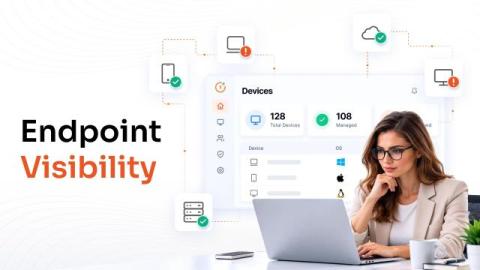
Endpoint Visibility: How to Find and Secure the Devices Your IT Team Can't See

Endpoint visibility is the ability to identify connected devices, understand their activity and health, and assess their security posture. Without it, IT teams struggle to determine which endpoints access business resources, identify security weaknesses, and investigate operational problems. Remote employees, personal phones, contractors, cloud-connected systems, and specialized equipment expand the endpoint landscape.

From Detection to Decisions: What's New in ThreatSync and Rai Analyst

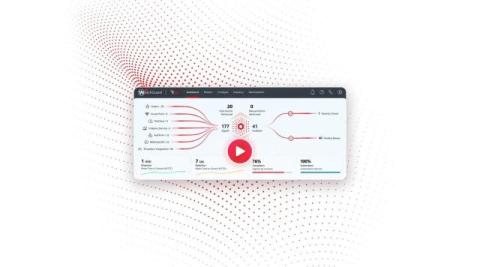
Security teams are managing more endpoints, identities, networks, and security events than ever. Each control adds valuable protection, but the work of connecting its signals, explaining incidents, and deciding what needs attention often falls to analysts. That is why the next evolution of WatchGuard ThreatSync and Rai Analyst matters. ThreatSync provides the foundation for cross-product detection, correlation, incident management, and coordinated response.

Weak Passwords Can Cost You More Than You Think

Weak or reused passwords can give cybercriminals access to your accounts, often at your expense. As a proud Cybersecurity Awareness Month Champion with the National Cybersecurity Alliance, we're reminding everyone that stronger passwords and smarter security habits make a difference. Don't make it easy for attackers.

PHP2Shell Breaks the Internet - The 443 Podcast - Episode 393

This week on the podcast, we dive into a pair of PHP vulnerabilities dubbed PHP2Shell and the chaos they caused through uncoordinated disclosure. After that, we discuss a certificate authority who's random number generator only goes to three digits before ending with law enforcement action around ShinyHunters ransomware negotiators.

Shadow AI Is Only the Symptom: The Real Problem Is SaaS Visibility

The rise of AI tools in the workplace has put Shadow AI firmly on the cybersecurity agenda. Employees are increasingly adopting AI services without IT or security approval, potentially creating security, privacy, and compliance risks. But focusing on Shadow AI alone misses the bigger issue. The real question is not just which AI tools employees use, but whether organizations understand what is happening across their entire SaaS environment.

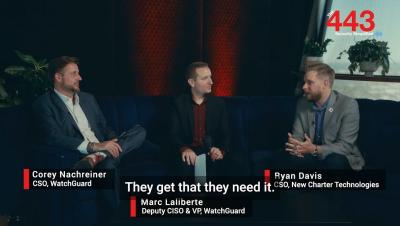
Regional Cybersecurity Trends with Ryan Davis - The 443 Podcast - Episode 392

New Charter Technologies CISO, Ryan Davis joins The 443 to discuss the evolving cybersecurity landscape across different regions, the unique challenges organizations face, and the trends shaping the future of security. Tune in for insights into emerging threats, regional priorities, and how businesses and partners can stay ahead of an ever-changing threat landscape.

From Endpoint to Everywhere: Unifying Managed Security for MSPs | WatchGuard Webinar

Your clients rely on a growing security stack to protect their business. Endpoint protection, firewalls, identity security, cloud controls, and detection tools all play an important role in reducing risk. But those investments generate a constant stream of alerts, events, and telemetry that need to be monitored, investigated, and acted on. That's where the challenge begins.

AuthPoint Earns ENS High Qualification from Spain's National Cryptologic Centre

Every MSP has heard the question in some form: how do you know this actually works? For most security products, the honest answer is a mix of vendor documentation, analyst reports, and your own experience. All useful, but none of it is a verdict from someone with no stake in the result. Spain’s public sector works differently. When government agencies there buy security products, they look to CPSTIC, a catalog run by Spain’s National Cryptologic Centre (CCN).

The Hidden Trade-off in Managed Detection and Response

When MSPs evaluate MDR services, the conversation usually starts in the same place: Tell me about your SOC and how quickly you respond. Those are good to know, but they don't tell you one thing that determines whether the service works: how much of your clients' environments the provider can see and act on. A SOC that's available 24/7 but only watching half the environment isn't protecting your clients. It's giving your clients a false sense of security.