Secure file sharing is critical for remote workers to protect sensitive information. Learn the three best practices for file sharing and how to do it securely.
The Internet of Things (IoT) connects smart devices to make life more convenient, but there are always risks. In this quick video, learn what IoT is, its benefits and how to secure your IoT devices against cyber threats.
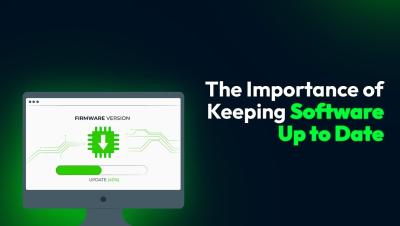
Keeping your software updated is more important than you may think. In this quick video, learn how software updates fix security vulnerabilities, improve performance and bring new features to your devices.
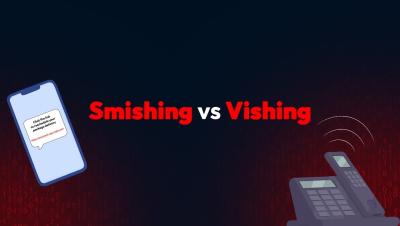
Smishing and vishing are two types of common phishing scams targeting your personal information. Learn the difference between these tactics and how to protect yourself with simple, effective tips.
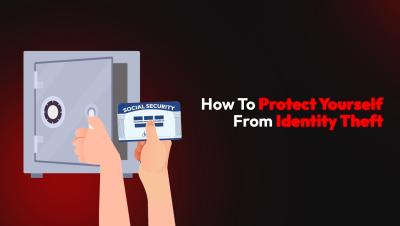
You can protect yourself from identity theft by safeguarding your Social Security number, regularly reviewing your credit reports, avoiding using public WiFi and not oversharing online. Learn the five best tips to protect your identity from getting stolen.
Choosing the right password manager can be challenging, especially with so many options on the market. But one thing sets password managers apart: their security. So, what features should you look for in a password manager to ensure it truly protects your data?
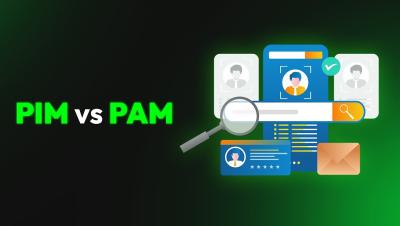
Managing privileged accounts and access is critical for securing your systems. Learn the unique roles of Privileged Identity Management (PIM) and Privileged Access Management (PAM), how they work together and why both are essential in protecting your systems.
Authorization models control who gets access to what. Learn about Role-Based Access Control (RBAC), Attribute-Based Access Control (ABAC), Relationship-Based Access Control (ReBAC), Mandatory Access Control (MAC) and Discretionary Access Control (DAC). Discover which model fits your organization’s needs.
A digital footprint is a collection of traceable data left behind by a person’s unique online activities. Everything from your social media posts to your browsing history leaves a trail of data, shaping your online identity. Learn more about the different types of digital footprints and why you should care about yours.