Security | Threat Detection | Cyberattacks | DevSecOps | Compliance


Amazon RDS Just-in-Time (JIT) Access With Teleport and Slack
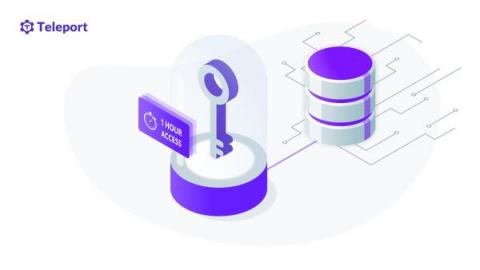
This blog is part three in a series about secure access to Amazon RDS. In Part 1, we covered how to use OSS Teleport as an identity-aware access proxy to access Amazon RDS instances running in private subnets. Part 2 explained implementing single sign-on (SSO) for Amazon RDS access using Okta and Teleport. In Part 3, we will guide you through the steps to configure privilege escalation for just-in-time access requests for Amazon RDS access.

Introduction to Teleport
What is a VPN? Types of VPNs and How They Work
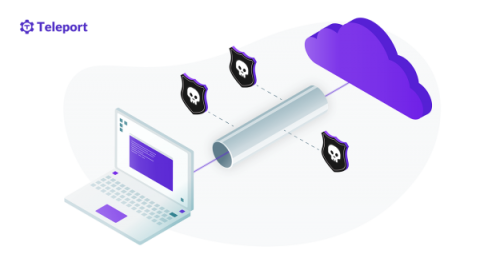
As the number of remote workers grows, virtual private networks (VPNs) are becoming a popular way to grant remote access to employees while hiding online activities from attackers. With a VPN, your organization can secure network traffic between your site and users by creating an end-to-end secure private network connection over a public network. In this article, you will learn how a VPN works, what protocols are needed, what challenges are involved, and what alternatives are available.
Using Teleport to Secure SSH and Kubernetes Access
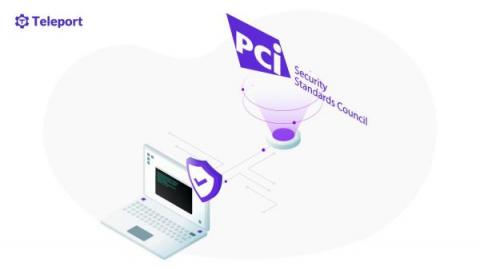
What Is PCI Compliance?
Whether you’re a startup, an e-commerce company, or a large corporation, as long as you handle credit card transactions, you need to be aware of and comply with the Payment Card Industry Data Security Standard (PCI DSS). As online commerce and online payment technology continue to grow, they need to be accompanied by new rules and regulations to make sure that both the business and the customers are safe and secure.
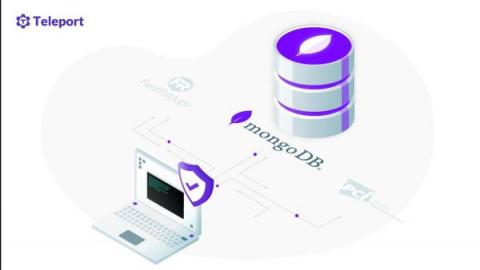
Securing Your MongoDB Database
Securing databases is a significant aspect of an organization’s infrastructure and security practices. This article explores the methodologies and steps for securing MongoDB Database, a popular non-relational, flexible, and document-oriented database. Before starting, you should understand the difference between self-hosted MongoDB and MongoDB Atlas.
How to access AWS Console using AWS IAM
This blog post explores the traditional authentication and authorization processes to AWS Management Console, and how Teleport can replace them to further secure and audit your Infrastructure Access for AWS. You can access your AWS Management Console through a variety of methods. If a user has AWS Administrator or Root Access, they can see and edit all infrastructure in its entirety. AWS has multiple tools available to mitigate access, but are they enough?