Security | Threat Detection | Cyberattacks | DevSecOps | Compliance

The Surprising Automotive Roots of Modern Combine Harvester Technology

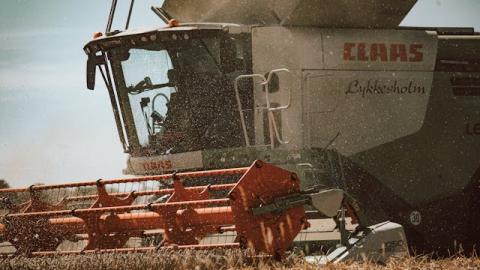
Where do combine harvesters get their brains from? It feels like combine technology has always been developed in-house by the various manufacturers we see today. But the truth is...many of the critical systems that run your combine harvester actually come from the automotive industry. GPS guidance systems, hydraulic components, electronic sensors...the list goes on. Plus the artificial intelligence that drives the insane automation you see in some of the newer models. Automotive technology paved the way for today's high-tech ag machinery.

WP 29 Automotive Cybersecurity and Beyond - How India and China Are Now Driving Global Trends

When UNECE WP.29 came into force, it transformed the global automotive industry. For the first time, cybersecurity became a mandatory requirement for modern vehicles — not a marketing feature, not a technical add-on, but a regulated obligation. WP.29 forced manufacturers to rethink how vehicles were designed, updated and secured, requiring formal Cybersecurity Management Systems (CSMS) and Software Update Management Systems (SUMS) across the entire vehicle lifecycle.

Why Automotive Manufacturers Are Switching to OEM Owned Key Management System

The automotive industry is undergoing a profound transformation. With vehicles now functioning as software-defined, connected platforms, manufacturers face unprecedented security challenges. From over-the-air (OTA) updates and telematics to ADAS, battery systems and mobility services, every vehicle today relies on digital identities and cryptographic trust. Historically, OEMs have relied heavily on Tier 1 suppliers to manage keys, certificates and firmware signing processes.

Identity is quietly becoming the bottleneck in Automotive

Automotive programs are moving faster than many engineering teams planned for. Regulatory pressure — from UN R155/R156 (WP.29) and ISO/SAE 21434 to the forthcoming EU Cyber Resilience Act — is reshaping expectations for how identity, signing, and software integrity are managed across the entire ECU and OTA lifecycle. At the same time, SERMI is redefining workshop and diagnostic access, introducing strong authentication into processes that were previously loosely governed.

Explore Financing Options Without SSN for Your Next Car

Getting a car in a new country can feel like an impossible task, especially if you don't have a Social Security Number (SSN). Whether you're an immigrant, an international student, or just waiting on your paperwork, the idea of financing a vehicle might seem out of reach. The good news? It's not.

How Does Financing Work at a Trusted Vehicle Dealership?

Picture this: you are in the finance office, the car you want is perfect, but the paperwork sounds like another language. Terms like APR and residual value come at you, and you are smiling while wondering if you are about to make a very expensive mistake. You are not alone. In a recent industry review, most of the newvehicle buyers still said they were happy with their dealership experience, even with all this complexity. The difference is that satisfied buyers understood the basic rules of dealership financing.

Connected Cars and Cybersecurity: Protecting Drivers in 2026

For years, cybersecurity concerns have centered on computers and smartphones. Now, with vehicles featuring always-on connectivity, cloud-linked dashboards, and over-the-air software updates, the same risks are finding their way into our cars as well. As cars become more software-driven, even simple features like music streaming or parking sensors can leave them exposed. This article will explore how connected car cybersecurity is evolving in 2026, what new risks automakers are facing, and how the industry is responding with smarter regulations and stronger security frameworks.
Featured Post

Why Automotive Resilience Must Go Beyond Data Protection

The automotive sector has special resilience needs, given the large number of suppliers and vendors required to make increasingly advanced vehicles. Recent reported disruptions have spotlighted the issue and show the need for cyber resilience to improve physical resilience. This is especially important now as autumn is one of the peak periods for new car demand.

WP.29 and Beyond: Global Trends in Automotive IoT Cybersecurity 2025

The automotive industry is undergoing a historic transformation. As vehicles become increasingly connected, autonomous, and software-defined—including the rise of connected cars, autonomous vehicles, and advanced driver assistance systems—cybersecurity has shifted from a technical afterthought to a regulatory requirement. At the heart of this transformation lies UN Regulation No.