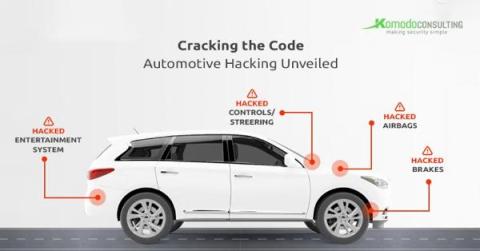
Technology has greatly transformed the automotive industry, bringing both advancements and new challenges. The reliance on connectivity and software in cars has opened the door to cyber threats, making cybersecurity a crucial concern for the automobile industry. With the increasing complexity of modern cars, there are now around 150 Electronic Control Units (ECUs) and an astonishing 100 million lines of code. Even simple functions like opening car windows require multiple software systems.
Back in 2015, we published an article about the apparent perils of driverless cars. At that time, the newness and novelty of sitting back and allowing a car to drive you to your destination created a source of criminal fascination for some, and a nightmare for others. It has been eight years since the original article was published, so perhaps it is time to revisit the topic to see if driverless cars have taken a better direction.
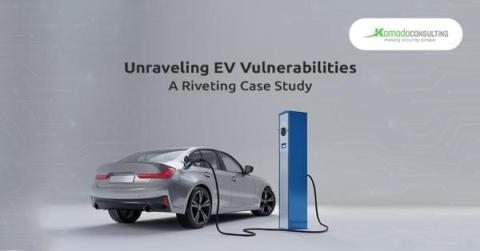
As technology continues to advance, the potential for hacking and cyber-attacks on various devices and systems has become a major threat. This has extended to the automotive industry, with increasing numbers of car hacks being reported. With the rise in the production of electric vehicles (EVs), these attacks have escalated in frequency and severity.
From its inception, the automotive industry has been shaped by innovation and disruption. In recent years, these transformations have taken shape in rapid digitization, ever-growing Electric Vehicle (EV) infrastructure, and advanced connectivity. These shifts have redirected the automotive industry, meeting and surpassing customer expectations for what vehicles should accomplish.