Security | Threat Detection | Cyberattacks | DevSecOps | Compliance

Mastering audit scope: A strategic imperative for technology leaders

As part of the technological revolution, organizations must navigate complex regulatory landscapes, safeguard data integrity, and ensure operational efficiency. Central to these endeavors is the meticulous scoping of audits, a process that delineates the boundaries of examination, ensuring that audits are both effective and aligned with organizational objectives.

Mastering audit scope: A strategic imperative for technology leaders

As part of the technological revolution, organizations must navigate complex regulatory landscapes, safeguard data integrity, and ensure operational efficiency. Central to these endeavors is the meticulous scoping of audits, a process that delineates the boundaries of examination, ensuring that audits are both effective and aligned with organizational objectives.

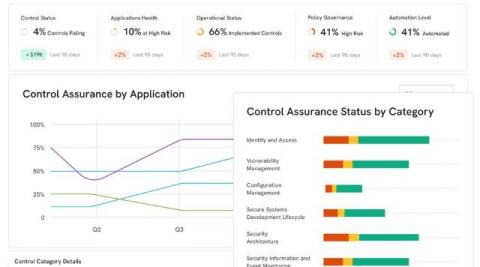
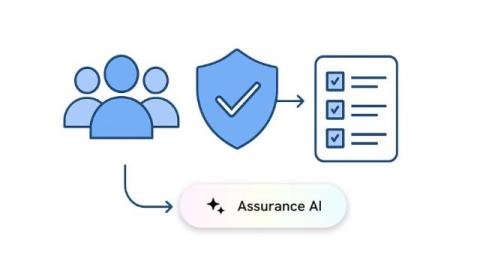
Why CISOs Need to Automate Security, Privacy, and AI Risk Assessments - Now

CISOs face a growing challenge: securing critical assets while keeping pace with evolving cyber threats, AI risks, and increasing regulatory demands. The irony? Despite investing millions in security tools, many organizations still lack confidence that their applications, data, and infrastructure consistently meet security, privacy, and AI governance requirements. Traditional risk assessment methods – like annual audits and spreadsheet-based workflows—are no longer enough.

Adverse audit findings: A technology leader's roadmap to compliance excellence

Today, organizations are under increasing scrutiny to maintain robust compliance frameworks. Audits play a pivotal role in evaluating these frameworks, and adverse findings can serve as critical indicators of areas requiring immediate attention. As technology leaders, understanding the implications of such findings and implementing effective remediation strategies is essential to upholding organizational integrity and stakeholder trust.

Aligning compliance with business goals: A strategic approach

Compliance management has emerged as a cornerstone of sustainable growth and risk mitigation. Companies today face increasing regulatory demands while striving to achieve ambitious business objectives. Strategic compliance management, therefore, is not just about adhering to rules but about seamlessly aligning compliance efforts with business goals.

Ahead of the curve: Proactively managing third-party risks

According to a Gartner report, 60% of organizations will rely on third-party vendors for more than half of their critical business operations by 2025. However, Gartner also warns that third-party risk events – such as data breaches or compliance violations – will increase by 30% in the same timeframe. As a technology leader, these figures resonate deeply with the challenges I see organizations facing daily.

TrustCloud Product Updates: December 2024

A core product tenet at TrustCloud is delivering a “Joyfully Crafted” user experience for our users. As we wrap up 2024, the TrustCloud product and UX team went through all the user feedback we received this year, and identified some key “quality of life” improvements to make the day-to-day experience for our users more approachable. We’re excited to share these updates with you.