Security | Threat Detection | Cyberattacks | DevSecOps | Compliance

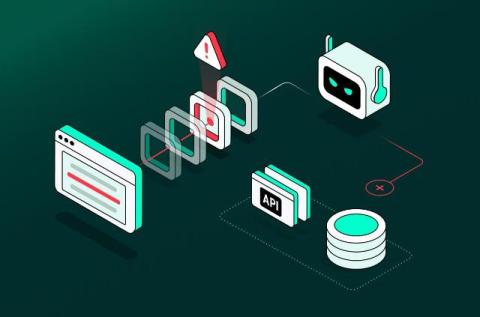
Wait, Did We Just Invent Classifiers Again? Introducing Jev, a new way to do AI.

For the last few years, when somebody says “AI,” what they are usually referring to is a Large Language Model, or LLM for short. You chuck some text in, it has a think, and it gives you some more text back. This is brilliant if you want code written, documents summarised, or quantum physics explained to you in a limerick, but while this is great for humans, most software doesn’t actually want a beautifully written paragraph. Software just wants an answer so it can make a decision.
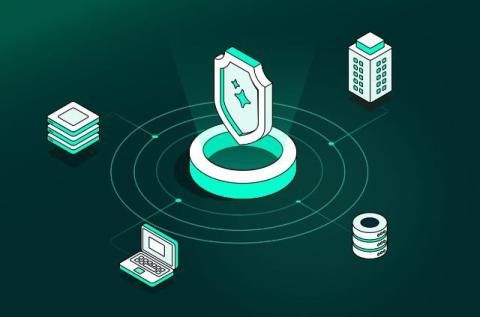
Beyond Model Access: Frontier AI Defense Needs Runtime Prevention

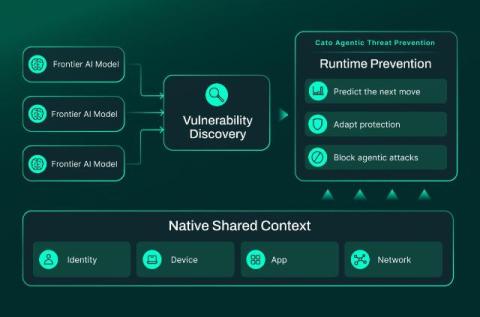
Access to powerful AI models is opening new possibilities for cybersecurity. Models can help uncover weaknesses, investigate threats, and explore how attackers might break into an environment. Using several models can bring different strengths to that work. But model access alone does not answer a critical question: can your defense stop an attack while it is happening? In the frontier AI era, discovery needs to connect to action.

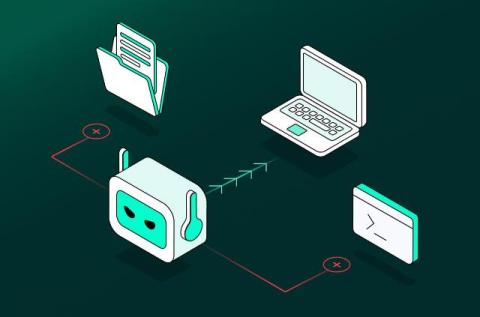
Securing what your Bedrock AgentCore agents actually do

An AI agent is software that can act on your behalf. It may read documents, emails, and web pages, then use the systems you connected to complete a task. Amazon Bedrock AgentCore makes these agents faster to build and deploy. But securing them requires more than limiting which systems an agent can access. You also need to consider what the agent can read once it gets there. A document, email, or web page may contain hidden or malicious instructions designed to influence an agent’s next action.

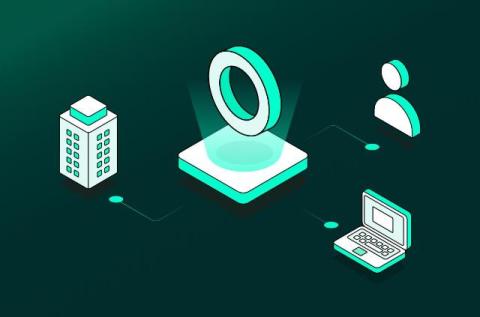
When the Enterprise Edge Is Everywhere, Security Must Be Too

With hybrid work as the new standard, consistently enforcing security across every edge is a challenge for teams. Working from any location or device creates a persistent challenge: how to enforce consistent, risk-based access controls across users, devices, and applications without introducing policy gaps or operational complexity. To understand the impact, let’s consider the user experience within a single global organization operating across three continents.

Cato SMB FlexPool: Scale Managed SASE with Less Friction

As an SMB managed SASE business grows, the real challenge is often operational: how to add customers and respond to changing needs without adding licensing friction. Cato SMB FlexPool helps eligible MSPs and service providers managed committed capacity at the partner level, supporting faster growth, better utilization, and control of the managed service experience. Contact your Cato channel representative to discuss SMB FlexPool eligibility and pool sizing.

Ransomware's AI Adoption Curve: From Marketing Claim to Operating Model

Somewhere in the first nine months of 2026, AI stopped being a talking point in ransomware and became part of how the work actually gets done. Tracking new ransomware-as-a-service (RaaS) launches, darknet recruitment ads and public incident reporting through this period shows a three-step progression: AI as advertising, AI as an assistant, and AI built directly into ransomware.

Cato Managed SASE for SMB: Flexible Capacity, Faster Onboarding

For MSPs and service providers, a managed SASE offering needs to be repeatable across a small and midsize business (SMB) customer base, from selling and licensing, through provisioning and support. But traditional per-customer licensing can introduce friction every time a partner adds or expands a customer. That process can slow onboarding, add administrative work, and limit how partners allocate capacity.

Has security taken a back seat to productivity?

We told everyone to adopt AI, and they did. Almost anyone can now produce polished, professional work in seconds. The newest shortcut behind that speed is skills: small files that hand an AI agent a new ability. Skills are also where the risk now sits. One file can hold dozens of instructions and actions, so anything buried inside travels with it, and the agent follows all of it without asking. Most of those agents run unwatched, so the speed you gained is now exposure nobody in the business is measuring.