Security | Threat Detection | Cyberattacks | DevSecOps | Compliance

Global Campaign Discovered with Modbus PLCs Targeted and China-Geolocated Infrastructure Observed

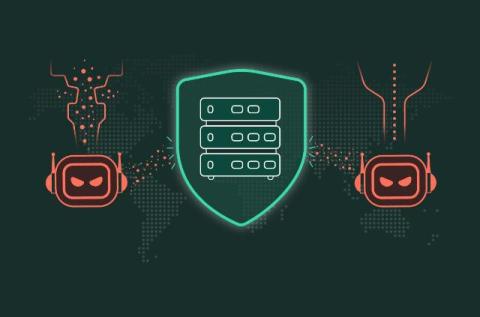
From September – November 2025, Cato Networks threat researchers observed a global campaign involving suspicious Modbus/TCP (transmission control protocol) activity against internet-exposed PLCs (programmable logic controllers). The targeted footprint spanned 70 countries and 14,426 distinct targeted IPs, with the largest share of activity in the United States.

Cato Enterprise Browser Secures Devices You Don't Control

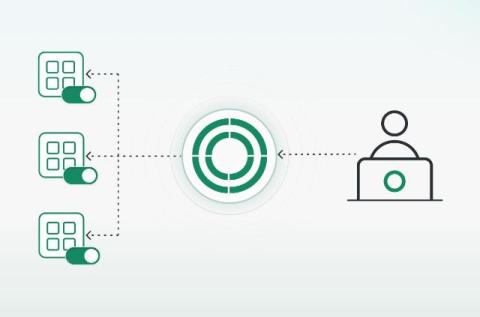
Most users don’t work on devices you control. Contractors, partners, and BYOD users still need access, but traditional approaches force tradeoffs between security, visibility, and complexity. IT teams often stitch together VPNs, VDI, and browser tools, each with separate policies and consoles. This creates gaps in enforcement and increases operational overhead. Cato Enterprise Browser changes that.

Eliminating Enterprise Browser Complexity in the Age of Universal ZTNA

Enterprises don’t struggle with whether users should have access. They struggle with how that access happens and how to secure it without creating more complexity. Employees work from managed laptops, personal devices, and third-party systems. Contractors need fast onboarding. Partners can’t install agents. Some users rely entirely on a browser. This mix isn’t temporary; it’s how modern enterprises operate.

Top 4 AI Security Challenges CISOs Face

AI adoption is accelerating across enterprises, often faster than security teams can respond. Employees are already using AI tools, copilots, and agents across SaaS apps, browsers, and workflows. That creates new risk around shadow AI, sensitive data exposure, runtime threats, and autonomous actions that traditional controls were never built to handle. In this video, we break down the four AI security challenges CISOs are facing right now.

SOC 2 Type II + HIPAA Attestation: Trust You Can Audit, Not Just Accept

There’s a little neighborhood coffee shop I love that runs like a Swiss watch. Every night, the owner doesn’t just flip the sign to “Closed.” They run a checklist: count the till, lock the back door, log fridge temps, sanitize the espresso wand, test the alarm, and write it all down. Not because they expect trouble, but because consistency is foundational to security. The shop earns trust the boring way: by doing the right things, repeatedly, even when nobody’s watching.

The Mythos Moment: Why Architecture and Advanced Models Matter for Cyber Defense

What began as reports about Anthropic’s Mythos model has now moved into a gated research preview called Mythos Preview. For cybersecurity, that immediately raises an important question: what happens when advanced AI can accelerate offensive workflows such as vulnerability analysis, exploit development, and attack planning? In a recent Cato blog post, we addressed the broader strategic shift this represents.

The Platform Economy Is Rewriting the Rules for IT

There’s a fundamental shift happening in enterprise IT. It’s not about another feature or another product category. It’s about economics. We call it the Platform Economy, and it defines a new operating reality for IT teams. For years, enterprises have operated in what’s described as the portfolio economy: multiple products, sometimes from the same vendor, packaged together and presented as a suite. On paper, it looks consolidated.

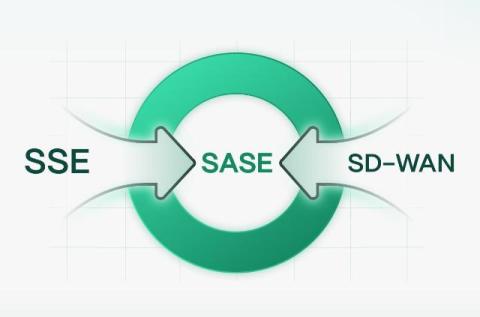
The firewall appliance is part of the problem. The legacy stack is all of it.

When static perimeters were a thing, networking and security vendors sold organizations products to fix an IT need or problem. That fix would expose a gap somewhere else, so the market named the gap, built a category around it, and organizations were sold another product to plug it. That model didn’t age well as environments changed.

Accelerating Detection and Response: Cato + CrowdStrike

Security teams are under constant pressure to detect issues quickly and respond with confidence. When endpoint and network data sit in separate systems, investigations take longer and important context can be missed. In this short demo, you will see how Cato SASE Cloud and CrowdStrike Falcon work together. Falcon endpoint telemetry feeds directly into Cato’s XOps engine, where it is correlated with network activity to create guided security stories.