Several of the digital twin technologies out there have grown fast in only a few years. Picture establishing a virtual model of IT infrastructure where one can identify loopholes, create attack scenarios, and prevent catastrophic attacks before the system is officially put in place. Using digital twins, it's no longer a silly idea for organizations to follow. Let's get knowledge of Digital Twin technology and how it can help to assess the loopholes in your security posture.
Military general and philosopher Sun Tzu once led the largest armies in the world and authored The Art of War, still considered a masterpiece of tactical warfare and very relevant as we wage our battles against evolving cyberattacks. That’s because even though threat intelligence is a relatively new discipline in our cyber defense processes, it has actually been around for more than 2,500 years.
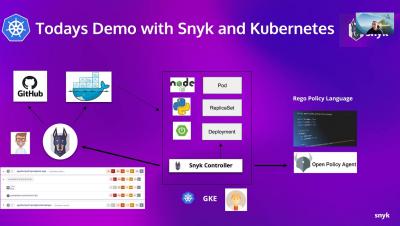
We are very excited to announce that Snyk has achieved AWS Security Competency status, further validating our commitment to security excellence in partnering with AWS!
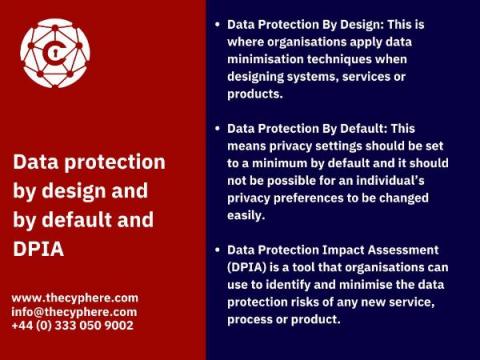
The Data Protection Act is an important part of the cyber domain and legislation for anyone working in health and social care. It governs how to protect the information in health and social care. This blog post will explore the implications of the act on healthcare professionals, patients and other individuals who may have dealings with you as an organisation or individual providing care to others and the importance of protecting sensitive data in health and social care.
In recent years, we have witnessed a tectonic shift in the way organizations develop and maintain software. As part of this shift, IT operations are quickly getting decentralized.
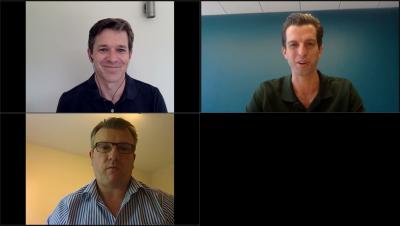
Kevin Kerr, Lead Security Principal Consultant at Trustwave, participated in a discussion on Zero Trust with Steve Riley, Field CTO at Netskope during SASE Week 2021. The importance of Zero Trust is derived from how it functions. Instead of focusing on protecting a physical network, a Zero Trust network works by focusing on securing the resources that reside on or have access to the network such as data, identities, and services.