

Security | Threat Detection | Cyberattacks | DevSecOps | Compliance

Five Cybersecurity Priorities to focus on in 2021

2020 will go down in history as a year of surprises. The Covid-19 pandemic resulted in challenges to health, wealth, business, and cybersecurity. The early part of the year saw a rapid movement out of the office, introducing a sudden need to support home working. According to Gartner, 88% of companies sent their workforce home to work during the peak of the pandemic. This remote work environment is continuing for many organizations in 2021. In 2020, businesses were forced to adapt fast.

5 Reasons Every Company Needs to Be Ready for a Compliance Audit in 2021

In many ways, 2020 was a year of reckoning for data privacy on the internet. After more than a decade of enthusiastically embracing a “freemium” model in which consumers traded copious amounts of personal data for access to digital platforms, many are adopting a rapid about-face. Now, privacy is essential, and stakeholders are taking notice. To date, it’s clear that many companies see this as an obstacle, not an opportunity.

What is a software-defined perimeter and how does SDP work?

A software defined perimeter (SDP) establishes virtual boundaries around Internet-connected assets and user activity through an integrated security architecture approach. SDP works regardless of whether assets reside on-premises or in the cloud, or whether users are on-site or working remote. Rather than relying on hardware like firewalls or VPNs at the network boundary, SDP leverages software to prevent any access to or even visibility into resources within the virtual perimeter by default.

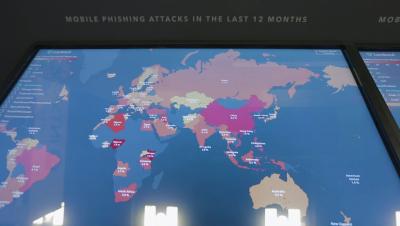
Mobile interface make it easy scammers to phish you

With a smaller screen, developers are forced to create simplified interfaces on your tablets and smartphones. But this also makes it easy for scammers to hide telltale signs of a phishing link. Aaron Cockerill and Mike Banic of Lookout talks about why we're more vulnerable to phishing when using a mobile device.