This blog post is the first in a 2 part series on Corelight Smart PCAP. Tune in next week for part two where we’ll take a deep dive look at Corelight’s PCAP functionality and workflows that accelerate security investigations.
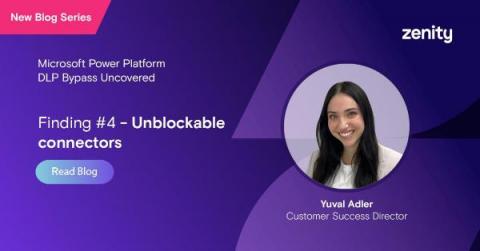
Hello everyone! I’m Yuval Adler, Customer Success Director at Zenity. I’m inviting you to read my blog series where I share new Microsoft Power Platform DLP Bypass findings we’ve uncovered.
ChatGPT can arguably be called the breakout software introduction of the last 12 months, generating both amazement at its potential and concerns that threat actors will weaponize and use it as an attack platform. Karl Sigler, Senior Security Research Manager, SpiderLabs Threat Intelligence, along with Trustwave SpiderLabs researchers, has been tracking ChatGPT’s development over the last several months.
If you’re building an application, you want to ensure it’s reliable, consistent, and rapidly deployable in any cloud environment. That’s what containers are used for — packaging instructions into a digital object for reuse. Without them, you’ll struggle to run some application components from server to server. But when you deploy containers, there are security risks that you should be aware of and can mitigate.
Organizations embracing cloud environments must understand that cloud applications and services have become popular targets for cybercriminals. A few notable and inherent risks with cloud deployments include.
The U.S. federal government is committed to implementing zero-trust cybersecurity across all government agencies. In 2021, the White House issued Executive Order (EO) 14028, directing federal agencies to adopt zero-trust network architectures. A few months later, CISA followed up with a draft Zero Trust Maturity Model.