
Every cloud has its own identity and access management system. AWS and Google use a bunch of JSON files specifying various rules. Open source projects like Kubernetes support three concurrent access control models - attribute-based, role-based and a webhook access control, all expressed using YAML. Some teams are going as far as inventing their own programming language to solve this evergreen problem.
Hancitor (AKA CHanitor, Tordal) is a popular macro-based malware distributed via malicious Office documents delivered through malspam. In the latest campaigns, particularly active between October and December 2020, the malware has been distributed via DocuSign-themed emails asking the victims to review and sign a document. The fake DocuSign link downloads a Microsoft Word document whose malicious macro, once enabled, installs the Hancitor malware.
0:00 Introduction
0:26 Deployment Overview
1:31 Why use Teleport?
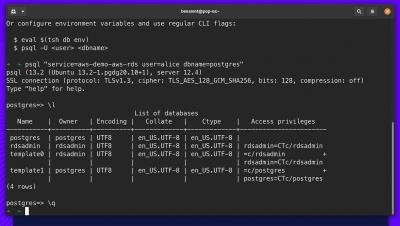
2:05 tsh setup
3:37 psql demo
4:25 Teleport Audit log
5:21 fleund Overview
6:01 Kibana Demo
6:35 Learn more at https://goteleport.com/database-access/
#postgres #mysql #teleport
Cloud security. Cloud architecture. Cloud storage. As you start scaling your business, you know “the cloud” is an important element of your IT capabilities. But, it can be a little confusing to understand the ins and outs of “the cloud” — especially when it comes to using cloud-based tools for your company to work remotely. Before we get into private vs public clouds, let’s quickly establish what we mean by cloud computing.
According to a seminal Clark School study, a hacker attacks a computer with internet access every 39 seconds. What’s more, almost a third of all Americans have been harmed by a hacker at one point or another, and more than two-thirds of companies have been victims of web-based attacks. A 2020 IBM study showed that the total cost of data breaches worldwide amounted to $3.9 million, which just may sound the death knell for many businesses affected by breaches.