Security | Threat Detection | Cyberattacks | DevSecOps | Compliance

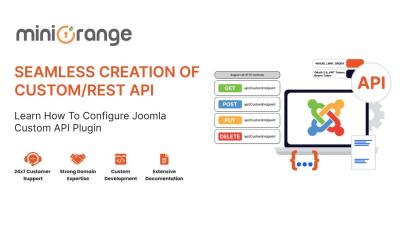
How to configure Joomla Custom REST API Plugin

The Joomla Custom API plugin lets you create custom APIs to expand the capabilities of the Joomla CMS (Content Management System). By using these APIs you can expose particular features or data from your Joomla website, allowing external programs or services to communicate with your Joomla website. With the help of the custom endpoints you have developed, this plugin offers a smooth method to work with the Joomla database, enabling you to easily carry out CRUD (Create, Read, Update, and Delete) operations.

6 Key Principles of AI and Data Protection: How the AI Act Safeguards Your Data

Artificial Intelligence (AI) plays a critical role in modern data handling. AI processes vast amounts of data, from personal information to business analytics, at unprecedented speeds. This raises serious concerns about AI and data protection. With AI’s growing capabilities, ensuring the security of personal data is essential. The AI Act aims to regulate AI systems, focusing on responsible data usage. It introduces rules that safeguard user data, complementing existing regulations like GDPR.

Effortlessly Migrate Your AKS Clusters to Azure Container Storage Using CloudCasa

Azure Container Storage is a cloud-based volume management, deployment, and orchestration service built natively for containers. It integrates with Kubernetes, allowing you to dynamically and automatically provision persistent volumes to store data for stateful applications running on Kubernetes clusters.

The Evolution of Automation and AI for Security Operations

In an era where cyber threats are constantly evolving and security teams are overwhelmed by an ever-expanding flood of alerts, tech sprawl, and an ongoing talent shortage, the modernization of the SOC is no longer optional — it’s imperative. According to Gartner, automation and artificial intelligence are the keys to unlocking new levels of efficiency, accuracy, and resilience in the fight against cyber threats.

Introducing Ephemeral IDs: a new tool for fraud detection

In the early days of the Internet, a single IP address was a reliable indicator of a single user. However, today’s Internet is more complex. Shared IP addresses are now common, with users connecting via mobile IP address pools, VPNs, or behind CGNAT (Carrier Grade Network Address Translation). This makes relying on IP addresses alone a weak method to combat modern threats like automated attacks and fraudulent activity.

The Cloud Security Confidence Gap: What Leaders Need to Know

In this increasingly cloud-first world, data protection is more important than ever. With so many organizations relying on cloud applications to get work done, keeping sensitive information secure is a top priority. But balancing convenient access with strong security measures is no easy feat. In fact, only a small fraction of security leaders feel truly confident in their current data security measures. Lookout recently surveyed 100 executives to get their take on data security in the cloud.

How DevOps Automation Enhances Cloud Security

When applied to cloud security, DevOps automation is able to speed up delivery while cutting down on errors. This blend results in faster deployments with a lower likelihood of vulnerabilities sneaking through. Here's a closer exploration of how this plays out, and why you should be making the most of tools in this category as part of your own operations.

A Comprehensive Guide to Post-Breach Services

As businesses increasingly migrate to the cloud, leveraging its scalability, flexibility, and cost efficiency, they also face the rising threat of cyberattacks. Despite advanced preventive measures, breaches happen. When they do, knowing how to respond is critical to minimising damage, ensuring compliance, and maintaining customer trust. This guide delves into the essential post-breach services businesses need to implement to recover and strengthen their cybersecurity posture.

Understanding IoT Networks: A Beginner's Guide

An IoT network links smart devices and sensors to communicate and share data, automating tasks without human involvement. These networks create interconnected ecosystems vital for various industries. This article explores what IoT networks are, how they work, their benefits, challenges, and future trends, highlighting how IoT technologies are advancing in various fields such as military and environmental applications.