Security | Threat Detection | Cyberattacks | DevSecOps | Compliance

Enhancing Edge Environment Data Protection with CloudCasa, AKS, and Azure Arc

As businesses continue to embrace the flexibility and scalability of cloud-native applications managed by Azure Kubernetes Service (AKS), ensuring robust data protection for them across diverse locations, including edge environments, becomes paramount. For organizations leveraging Kubernetes at the edge with Azure Arc, the need for a comprehensive and easily managed backup and disaster recovery solution is crucial.


How AI Is Making Phishing Attacks More Dangerous

Phishing attacks occur when cybercriminals trick their victims into sharing personal information, such as passwords or credit card numbers, by pretending to be someone they’re not. Artificial Intelligence (AI) has made it easier for cybercriminals to carry out phishing attacks by writing believable phishing messages, mimicking people’s voices, researching targets and creating deepfakes.

Fundamentals of GraphQL-specific attacks

Developers are constantly exploring new technologies that can improve the performance, flexibility, and usability of applications. GraphQL is one such technology that has gained significant attention for its ability to fetch data efficiently. Unlike the traditional REST API, which requires multiple round trips to the server to gather various pieces of data, GraphQL allows developers to retrieve all the needed data in a single request.

LLMs Gone Wild: AI Without Guardrails

From the moment ChatGPT was released to the public, offensive actors started looking to use this new wealth of knowledge to further nefarious activities. Many of the controls we have become familiar with didn’t exist in its early stages. The ability to request malicious code or the process to execute an advanced attack was there for the asking from an open prompt. This proved that the models could provide adversarial recommendations and new attacks never before seen.

ASM vs CASM: Understanding the key differences

There is a pressing need to protect an organisation’s digital assets against cyber attacks and it has never been more critical. The increasing complexity and dynamic nature of IT environments mean that traditional security measures often fall short. This has led to the emergence of new defensive approaches, such as attack surface management (ASM) that proactively safeguard against cyber threats.

How Wallarm API Security Platform Works: Key Features Explained #apisecurity #cybersecurity #api

Get an inside look at how the Wallarm API Security Platform operates to protect your APIs. Learn about its key features, including API Discovery, real-time protection, and traffic analysis, and how it helps you stay ahead of API threats.

A CISO'S View on Building an API Security Program in 2024

Building a robust API and application security program is essential for security leaders across all industries. However, creating and maintaining an effective security strategy for your APIs and web applications requires: Identifying the right components to build a program that aligns with your business objectives.

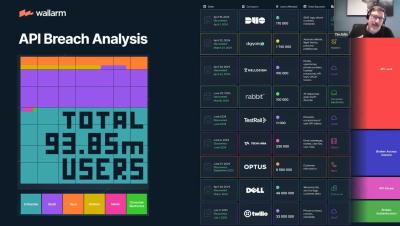
Twilio Breach: 33M Phone Numbers Exposed #apiattacks #apisecurity #dataleaks #databreach #twilio

A major security breach at Twilio exposed 33 million phone numbers due to an unauthenticated API. Watch this video to understand the risks and learn essential API security practices to protect your organization from similar threats.

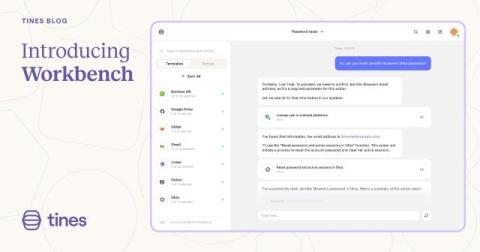
Introducing Tines Workbench

You trust us with your most important workflows, and we take that trust seriously. In developing AI in Tines, we’ve been laser-focused on helping users leverage AI without exposing their organizations to security and privacy risks. But we also spoke with so many teams struggling to fully realize AI's potential impact. They wanted AI to do more, while still preserving those all-important security and privacy guardrails.