The Internet of Things (IoT) has made a huge impact on our lives, connecting homes, workplaces and cities in ways that was once only seen as futuristic. But this connectedness comes with its own set of security challenges which need to be addressed. Are we doing enough to protect ourselves from potential security vulnerabilities now?
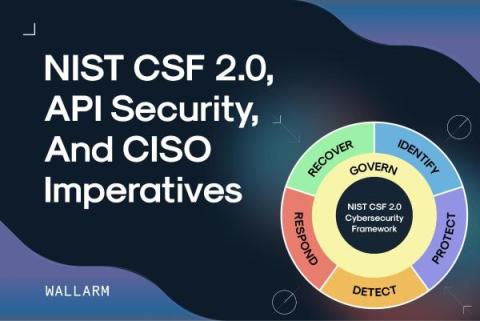
Last week, our good friend Raj Umadas, Director of Security at ActBlue, teamed up with our very own Tim Erlin, Head of Product, to talk about the newly proposed NIST Cybersecurity Framework (CSF). It was a fantastic discussion covering the intent behind this update, the major changes from v1.1 to v2.0, and how it applies to API security. Raj and Tim really dug deep into a lot of issues, and answered a lot of questions from the audience.
Keeper Security is excited to announce a significant update to our Android app that we think users will love. This update is heavily focused on bringing the same fresh, modern look to our Android user interface that our Web and Desktop received earlier this year and iOS just last month. The highly anticipated release incorporates improved usability and a distinctly light and modern theme.
The Sysdig Threat Research Team (TRT) has uncovered a novel cloud-native cryptojacking operation which they’ve named AMBERSQUID. This operation leverages AWS services not commonly used by attackers, such as AWS Amplify, AWS Fargate, and Amazon SageMaker. The uncommon nature of these services means that they are often overlooked from a security perspective, and the AMBERSQUID operation can cost victims more than $10,000/day.
One thing the IT security community should be recognized for is its willingness to share information and solutions. If you’re moving to the cloud — or interested in increasing your applications’ security, take advantage of that.
Successful AWS migration takes more than simply choosing to migrate. It’s a journey, and you need to be confident in your choice to upend your existing on-premise workflows to align with your business’s future. The fundamental process around a migration strategy includes understanding the benefits of a new system, assessing gaps in your existing system, migration planning, and ultimately the actual migration aspect.
Organizations must stay ahead of the ever-changing landscape of cyber threats and embrace Zero Trust Network Access (ZTNA), a modern approach to network security. With ZTNA, granular access control is enforced along with identity-based authentication for secure and efficient networks that protect valuable assets. Are you ready to experience the benefits offered by this revolutionary zero trust implementation of network access?