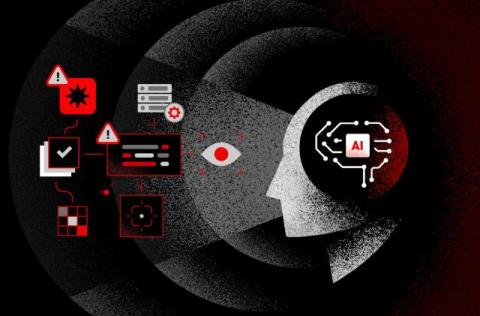
While the EU AI Act is poised to introduce binding legal requirements, there's another noteworthy player making waves—the National Institute of Standards and Technology's (NIST) AI Risk Management Framework (AI RMF), published in January 2023. This framework promises to reshape the future of responsible AI uniquely and voluntarily, setting it apart from traditional regulatory approaches. Let's delve into the transformative potential of the NIST AI RMF and its global implications.
ChatGPT is proving to be something of a double-edged sword when it comes to cybersecurity. Threat actors employ it to craft realistic phishing emails more quickly, while white hats use large language models (LLMs) like ChatGPT to help gather intelligence, sift through logs, and more. The trouble is it takes significant know-how for a security team to use ChatGPT to good effect, while it takes just a few semi-knowledgeable hackers to craft ever more realistic phishing emails.
New applications emerge at an almost impossible to keep-up-with pace, creating a constant challenge and blind spot for IT and security teams in the form of Shadow IT. Organizations must keep up by using tools that are automatically updated with latest developments and changes in the applications landscape to maintain proper security. An integral part of any SASE product is its ability to accurately categorize and map user traffic to the actual application being used.