Security | Threat Detection | Cyberattacks | DevSecOps | Compliance

SecurityScorecard Analysis of Lapsus$ Threat Group

SecurityScorecard’s CISO Mike Wilkes and Threat Researcher Ryan Slaney discuss their latest insights on the Lapsus$ threat group, the recent Okta breach, and what CISOs should do to protect their organizations. SecurityScorecard is the global leader in cybersecurity ratings and the only service with over 12 million companies continuously rated. The company is headquartered in New York and operates in 64 countries around the globe.
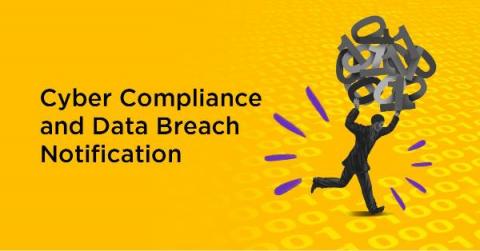

Cyber Compliance and Data Breach Notifications

Ransomware isn’t just an internal threat for your organization, it’s also a global crime, and data breach notifications are governed by various laws, policies, and agencies. Let’s go over some common cyber-compliance questions about ransomware, data breach notification and reporting, and the laws that cover cybercrime.

Formulating proper data destruction policies to reduce data breach risks

As Morgan Stanley Bank now knows, ignoring certified data destruction policies can be disastrous. The bank made news in 2020 when it was fined over $60 million for not using proper oversight when decommissioning two of its data centers. Regulators found that the organization had not addressed the risks associated with decommissioning hardware effectively.

GDPR Services: How to Protect Your Business from Data Breaches | Cyphere

As a business owner, you need to be aware of the GDPR regulations – the new data protection laws that come into effect on May 25th. These regulations are designed to protect EU citizens from data breaches, and could result in heavy fines for companies that don't comply. In this video, we explain what the GDPR Services are, and how our team can help your business protect itself against data breaches.#GDPRservices #GDPRcybersecurity

The one-stop solution for keeping your IT environment secure

Cyberthreats continue to evolve, causing trillions of dollars in losses. There will be a 76% increase in cybersecurity breaches by 2024, according to StealthLabs. A report by IBM states that it took an average of 287 days to identify and contain a data breach in 2021. According to Verizon’s 2020 Data Breach Investigations Report, 86% of cybersecurity breaches were financially motivated, and 10% were motivated by espionage.

Alleged Okta Breach - What Can You Do?

Early in the morning of March 22nd a threat group known as LAPSUS$ posted screenshots on their Telegram account that allegedly show access to Okta internal systems such as Slack, Cloudflare, Jira, Salesforce and other “Okta cards.” Okta’s CEO Todd McKinnon apparently confirmed an event in January in a tweet:: “In late January 2022, Okta detected an attempt to compromise the account of a third party customer support engineer working for one of our subprocessors.

Understanding The HIPAA Breach Notification Rule

HIPAA requires covered entities and business associates to secure protected health information (PHI). Failing to do so can result in steep fines and penalties. Some PHI breaches, however, are out of the organization’s control. Determined hackers can expose PHI, and employees can make mistakes — they’re only human, Despite training, rigorous security protocols, and constant monitoring, data breaches can happen.

This Is the Reason Behind 70% Of Data Breaches

70% of the data breaches involve the negligence of a 3rd party. Let’s understand this with Target’s classic example. In 2013, they were using a contractor, Fazio, to do maintenance of their air conditioning systems. The hackers got into the Fazio systems and used it as a jumping pod to infiltrate and hack into Target’s infrastructure. Big companies like Audi and Volkswagen have also suffered such cyberattacks due to 3rd party negligence.

Breach Costs - Millions of Lost Revenue

At the end of 2021, Capital One agreed to pay a settlement of $190 million to 98 million customers whose personal data was stolen in a 2019 data breach. Similar class-action lawsuits were filed in 2021 against T-Mobile, Shopify, and Ledger. When it comes to the cost of breaches, however, those are just the legal fees. Every year, businesses lose millions of dollars in revenue to cyberattacks and data breaches.

The State of Cybersecurity in 2022

2021 was an interesting year for all of us working in IT security. It wasn’t just the spike in supply chain attacks, most notably SolarWinds and Kasaya. It wasn’t just the waves of vulnerabilities leading to privileged access and remote code execution (RCE) in Microsoft Exchange, in printer drivers, externally exposed remote desktop protocol (RDP), and, of course, in OSS projects like Log4J.