Security | Threat Detection | Cyberattacks | DevSecOps | Compliance

Raising the Security Bar: Essential Measures to Combat Emerging Cyber Threats

Cyber threats are evolving all the time, and the pace of advancement is increasing. From malware and ransomware attacks to increasingly sophisticated phishing techniques and zero-day exploits, threat actors are constantly working to find new ways to breach our defenses, so we need to take proactive steps to raise security standards and keep our organizations on the front foot in the fight against cybercrime. In this piece, we'll discuss some essential measures you can take to do this, highlighting best practices and security technologies that can enable you to build a more threat-resilient organization.

Zero trust for public sector organizations

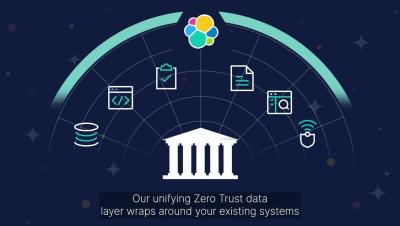
The “never trust, always verify” premise of Zero Trust requires a significant shift in how agencies evaluate security risks. Every transaction demands a risk assessment across every Zero Trust pillar — a tough task when the key data is locked in different systems and tools. But a unified data platform can essentially serve as the glue that connects all your systems, making them more integrated, accurate, and trustable.

Why SASE Makes Zero Trust Work

Gartner predicted that by early this year, over 60% of organizations would be using zero trust as their starting point for security. And no wonder. Cloud migration, hybrid work, and persistent threats have turned security into a minefield, exposing the cracks in old castle and moat, perimeter-based security architectures. Zero Trust aligns with how and where we work today, shifting the perimeter to individual users, devices, and applications—wherever they are.