Security | Threat Detection | Cyberattacks | DevSecOps | Compliance

HIPAA Compliance in the Digital Age: How to Navigate Complexities and Protect Patient Data

Safeguarding patient information has become more critical than ever in today’s evolving digital healthcare landscape. As technology leaders, we must navigate the intricate maze of regulations and implement robust strategies to ensure compliance with the Health Insurance Portability and Accountability Act (HIPAA). This article delves into the nuances of HIPAA compliance, offering insights and best practices to uphold healthcare privacy in the digital age.
CMMC vs. NIST: Key Differences Defense Contractors Must Understand

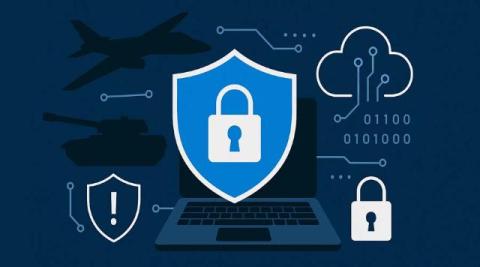
If you’re a defense contractor, cybersecurity compliance isn’t just a suggestion—it’s a requirement. The U.S. Department of Defense (DoD) has implemented strict cybersecurity guidelines to ensure that sensitive government information stays protected. Two major frameworks you need to be familiar with are the National Institute of Standards and Technology Special Publication 800-171 (NIST SP 800-171) and the Cybersecurity Maturity Model Certification (CMMC).

How to Make SaaS Web Apps PCI DSS Compliant

PCI DSS stands for the Payment Card Industry Data Security Standard. A set of rules that helps businesses protect payment card data. Major credit card companies created these rules to reduce the risk of security breaches and other threats. Today, these standards are essential for organizations that handle card-based transactions. If you run a SaaS security platform, you may rely on web apps to process payments. Following security standard pci dss principles helps you gain trust from your customers.

How effective security awareness training elevates cybersecurity in your organization

Cybersecurity has become a paramount concern for organizations across all sectors in the rapidly evolving digital landscape. As technology leaders, we recognize that while technological defenses are crucial, the human element often represents the most significant vulnerability. Implementing comprehensive security awareness training (SAT) is essential to fortify this human firewall, mitigate risks, and cultivate a security-conscious organizational culture.

Hardening Systems for HIPAA 2025: A Hospital IT Guide to Compliance

The U.S. Department of Health and Human Services (HHS), the governmental body responsible for enforcing and overseeing the Health Insurance Portability and Accountability Act (HIPAA) proposed updates in December 2024, which were added to the Federal Register for comments on January 6th. These updates include changes to the Security Rule, looking to enhance cybersecurity to align with evolving security standards.

Cybersecurity Compliance Is More Than a Checkbox-It's a Competitive Advantage

In today’s rapidly evolving threat landscape, cybersecurity compliance isn’t just about avoiding penalties—it’s about protecting your business and building customer trust. Whether your organization must follow frameworks like NIST, HIPAA, PCI-DSS, or GDPR, ensuring full cybersecurity compliance can give you a powerful competitive edge. At Cybriant, we make that process simple, streamlined, and effective.

Navigating third-party risk assessments in a changing business landscape

In today’s interconnected business environment, organizations increasingly rely on third-party vendors to enhance operational efficiency and drive innovation. For instance, consider a mid-sized retail company that partnered with a logistics provider to streamline its supply chain, resulting in a 20% reduction in delivery times. However, this dependence introduces significant risks, including data breaches, regulatory non-compliance, and operational disruptions.

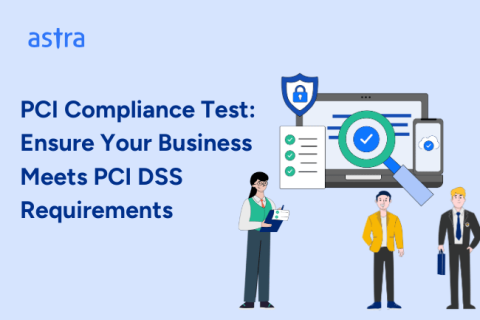
PCI Compliance Test: Ensure Your Business Meets PCI DSS Requirements

Every business that processes credit card transactions knows that security is important. But, when asked whether they actively test their systems for PCI DSS compliance, many often assume their payment processor has it covered. This assumption could later turn out to be costly. PCI DSS compliance doesn’t mean you outsource your payment processing to a secure provider but actually protect every endpoint where cardholder data is stored and processed.

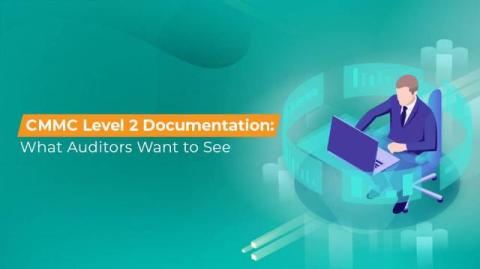
CMMC Level 2 Documentation: What Auditors Want to See

If you’re part of the defense industrial base and you’re seeking CMMC certification, there’s a very good chance you’re aiming for Level 2. Level 1 is mostly meant for businesses with a focus on federal contract information but not CUI, while Level 3 is meant for businesses handling the most sensitive kinds of CUI; since most businesses fall somewhere in the middle, Level 2 is the most common.