Security | Threat Detection | Cyberattacks | DevSecOps | Compliance

How to Comply with GDPR: Key 10 Steps

The General Data Protection Regulation (GDPR) is designed to protect the personal data of EU residents by regulating how that information is collected, stored, processed and destroyed. The data security and privacy law applies to all organizations that collect the personal data of European Union citizens, regardless of location. The penalties for noncompliance with GDPR requirements are stiff. Many organizations are struggling with how to comply with GDPR.
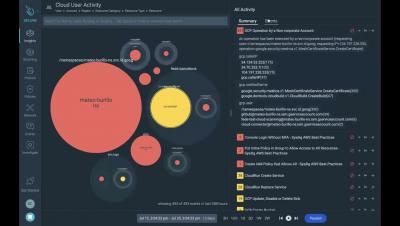
ISO 27001:2013 compliance with Sysdig Secure

The ISO 27001 certification can make a difference when your business is tied with deploying cloud-native applications. Providing relevance and credibility in front of potential customers will show that your company takes security seriously, ensuring the client’s trust. We previously covered other compliance frameworks in our blog, like GDPR, HIPAA, NIST, and SOC 2. Those frameworks also show a strong commitment to security best practices.

5 Reasons Every AEC Firm Should Care about CMMC

Since the Cybersecurity Maturity Model Certification (CMMC) was released in January 2020, there has been a lot of hand-wringing over what it means and who should actually care. This is especially true for AEC firms, many of which figure this regulation only applies to big system integrators and defense contractors like Northrup Grumman and Boeing. But CMMC isn’t just about large enterprises. Any organization that currently contracts with, or plans to contract with the U.S.

Video Blog: How UKG Pro Helps with Open Enrollment and Year End

Through UKG Pro, NeoSystems provides Payroll Administration and Tax Management, Compliance, Benefits Management, Open Enrollment, Recruiting, and On-Boarding as well as property, skills, and certification tracking – all through a cloud-based manager & employee self-service platform.

Supply Chain Security, Compliance, and Privacy For Cloud-Native Ecosystems

Think of the software supply chain as every software element in your organization—from software development of internal systems to open source or third-party enterprise software to vendors, partners, and even past suppliers who still hold access to company data or IT systems. Attacks on this software supply chain can damage individual departments, organizations, or entire industries by targeting and attacking insecure elements of your software fabric.

Slack Security: FERPA and HIPAA Compliance

During the pandemic, healthcare and education providers scrambled to adapt to providing services remotely, using tools like Slack, Google Drive, and Zoom to continue connecting with patients and students. McKinsey tracked a spike in the use of telehealth solutions in April 2020 that was 78 times higher than in February 2020. And, by some estimates, more than 1.2 billion children worldwide were impacted by school closures due to the pandemic — some of whom were able to learn remotely.

The Importance of Cybersecurity Standards and Certifications for SMBs

In today’s world with cyber attacks hitting the headlines daily, cybersecurity is at the forefront of many business owners’ minds, but implementing the right solutions and knowing what to do to reduce your risk is a big challenge for decision makers in these organizations. The task is even harder for small- to medium-sized businesses (SMB) that tend to lack extensive budgets and resources needed for implementing the most effective and high-brow cybersecurity solutions on the market.

Cybersecurity Maturity Model Certification (CMMC) - A Model for Everyone

Data breaches have reached a fever pitch over the last few years. The rapid frequency of successful attacks coupled with the rising costs to businesses has raised attention at the highest levels of global governments. In the past, breaches were relatively “localized,” that is, they affected the targeted company only. However, the newer attacks have disrupted entire supply chains.