Security | Threat Detection | Cyberattacks | DevSecOps | Compliance

Building for Compliance: Top 6 Essential LMS Features for Highly Regulated Sectors

In regulated industries, training gaps are rarely just a learning issue. They can become audit findings, safety incidents, or costly rework. The right LMS features help teams deliver consistent instruction, track completion, and prove adherence across roles and locations. This article breaks down what to prioritize, then compares several tools that support those needs in different ways. It starts with iTacit's permission-based AI Assistant for policy and SOP questions.

NIS2 Documentation Requirements: Policies You Must Have

NIS2 documentation requirements form the essential foundation of regulatory compliance — defining the documented controls that underpin NIS2 audit readiness and demonstrable cybersecurity governance. Yet in 2026, the landscape is shifting: documentation alone is no longer enough.

How to meet critical compliance regulations in pharmaceutical manufacturing

Pharmaceutical regulation relies on three core pillars: Maximum system availability, trustworthy data and rapid recoverability. With the right strategy, manufacturers can uphold them all. Operational technology (OT) systems such as SCADA, manufacturing execution systems, cleanroom controls, environmental monitors and laboratory automation are essential for maintaining validated, compliant and uninterrupted production. When those systems fail, downtime can result in enormous financial costs.

10 data governance best practices for compliance

Data governance best practices give organizations the documented policies, assigned ownership, and enforceable controls that auditors require. Without governance, compliance gaps emerge across access controls, retention enforcement, and audit evidence, creating exposure under GDPR, HIPAA, and SOX. Closing those gaps requires classification, accountability, continuous monitoring, and tooling that connects policies to evidence.

Compliance risk: A guide to assess and manage it effectively

Per PwC’s Global Compliance Survey 2025, 85% of organizations report that compliance requirements have become more complex over the past three years, increasing the risk of non-compliance and violations or fines. ‍ In the current age, compliance coexists with evolving vulnerabilities like unpredictable AI adoption and higher cybersecurity risks.

Banish Buddy Punching & Time Theft with Automated Facial Recognition Time and Attendance

Keeping track of employee time sounds simple until small inaccuracies start adding up. A few minutes here and there may not seem like a big deal, but across an entire workforce those minutes turn into real payroll costs. Many businesses discover too late that outdated time tracking methods leave plenty of room for mistakes and abuse.

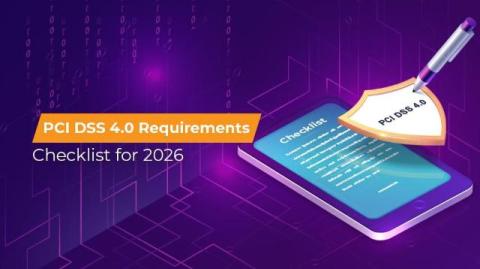
PCI DSS 4.0 Requirements Checklist for 2026

Here on the Ignyte blog, we talk a lot about general information security frameworks like ISO 27001 and government frameworks like CMMC and FedRAMP. But that doesn’t mean that’s all we understand. One of the most broadly used security standards in the world is PCI DSS. The Payment Card Industry Data Security Standard is the standard that must be upheld by any and all entities that handle, process, or store cardholder data and authentication data for payments.

How it feels to track down customer commitments

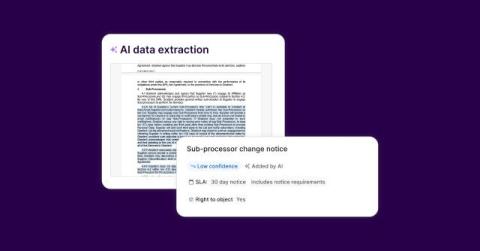
Most organizations have commitment issues. Like tracking all your customer obligations on sticky notes, Slack threads, email chains, screenshots, whiteboards, and spreadsheets. Why not save yourself the scavenger hunt and, you know, just use Vanta? Customer Commitments is a security intelligence layer that pulls critical SLAs out from legalese, and surfaces the commitments that actually matter with the Vanta AI Agent. Helping you centralize + operationalize every promise—so revenue and reputation aren’t on the line.

Turn every promise into predictable trust: Introducing Customer Commitments

Let’s face it, most businesses have commitment issues. Not the relationship kind (we can’t help you there), but the kind that shows up after a customer contract is signed. ‍ You make a promise to a customer—about response times, security practices, or data handling—but when an incident hits or it's time for your audit, no one can exactly remember what the organization promised, to whom, or by when. And if commitments go unmet, your revenue and reputation is at risk.