Security | Threat Detection | Cyberattacks | DevSecOps | Compliance

The Latest Cybersecurity News & Insights From Around The World

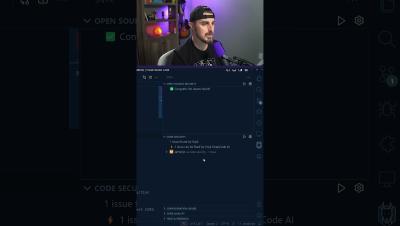
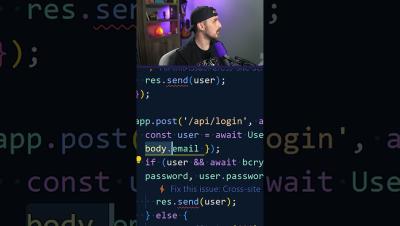

Designing Secure and Private Software by Default with Chris Romeo from devici
The current state of application security often leaves us reacting to data breaches and unauthorized disclosures well after they have occurred. How do we change this reactive reality? In this webinar, we’ll discuss this and other questions: By adopting these principles, development teams can shift from a reactive to a proactive stance, ensuring their software products are robust, trustworthy, and aligned with the highest security standards.


Curated OSS Catalogs: Enhancing Security and Efficiency in Software Development
Organizations are increasingly relying on open source software (OSS) to accelerate development and innovation. However, with great power comes great responsibility – and in this case, significant security risks. Enter the curated OSS catalog, a solution that ensures secure-by-default OSS usage. Let’s explore what a curated OSS catalog are and who stands to benefit from them.
ASPM and Modern Application Security
Gartner’s 2024 Hype Cycle for Application Security is making the rounds, and Application Security Posture Management (ASPM) continues to climb up and around the famous curve, from the Peak of Inflated Expectations in 2023 to this year’s slide towards the Trough of Disillusionment. That’s pretty fast movement for a technology that we haven’t yet succeeded in clearly defining!

Shining a Light on Shadow AI: What It Is and How to Find It
After speaking to a wide spectrum of customers ranging from SMBs to enterprises, three things have become clear: Add that together, and we get Shadow AI. This refers to AI usage that is not known or visible to an organization’s IT and security teams. Shadow AI comes in many forms, but in this blog we’ll stick to a discussion of Shadow AI as it pertains to applications. Application security teams are well aware that AI models come with additional risk.
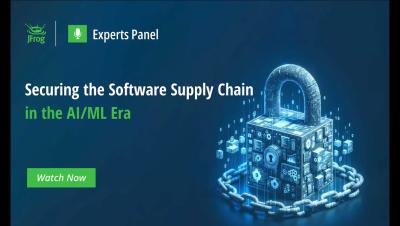
Securing the Software Supply Chain in the AI/ML Era
Uncover Critical Gaps in Software Supply Chain Security A recent survey of over 300 global IT executives found that while 23% of organizations experienced software supply chain (SSC) breaches, only 30% prioritize SSC security. Our APAC tech leaders dive into these insights and offer practical solutions to enhance your security posture. Discover the latest trends and effective measures to protect your software supply chain.

The State of DevOps Threats Report - GitProtect.io's Study Highlights The Major Cyber Risks and Security Best Practices
DevOps practices have significantly transformed the software industry, leading to faster release cycles and more streamlined workflows. The enduring presence of the DevOps model is undeniable, and its influence on modern development methodologies is profound. However, this accelerated pace introduces challenges, particularly regarding DevOps security.