Security | Threat Detection | Cyberattacks | DevSecOps | Compliance

Docker Container Security: Challenges and Best Practices

The containerization of software and applications continues to escalate, and although alternatives have emerged to challenge Docker, it continues to enjoy major adoption by developers for building and sharing software and apps. In 2022, Docker estimated that 44% of developers are using some form of continuous integration and development with Docker containers.

Stranger Danger: Your JavaScript Attack Surface Just Got Bigger

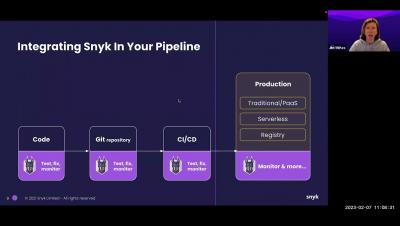
Building JavaScript applications today means that we take a step further from writing code. We use open-source dependencies, create a Dockerfile to deploy containers to the cloud, and orchestrate this infrastructure with Kubernetes. Welcome - you're a cloud native application developer! As developers, our responsibility has broadened, and more software means more software security concerns for us to address.

Open Source License Management Tools: Challenges, Opportunities, and What to Look Out For

More and more companies are using more and more open source. The stats I’ve seen say seventy to seventy-five percent of all applications use open source or have some type of open source associated with them. I think that number is actually higher. Of all the companies that I’ve worked for, just about every single application has some type of open source associated with it.

How YellowAI Uses AWS & Snyk: Securing Cloud & Apps Using a Developer-First Approach

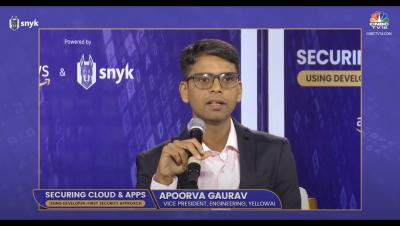
Citu Singh of CNBC-TV18 asks technology business leaders to share their philosophy on developing applications quickly and safely. Apoorva Gaurav, VP of Engineering from YellowAI, talks about how his team uses Snyk, while Shaun McLagan, VP of Snyk APJ, shares the benefits of a developer-first approach to security.

Dev-First Prevention Strategies

Security and engineering teams often fail to find a balance between meeting the necessary security objectives for their organization and ensuring maximum velocity. While security teams view the process of blocking new critical severity vulnerabilities as a basic security best practice, engineering teams often push back out of fear that it will create too much friction for their developers. This dynamic is often based on prior experience with legacy security systems that focus almost solely on the needs of security and fail to support developers in this process.

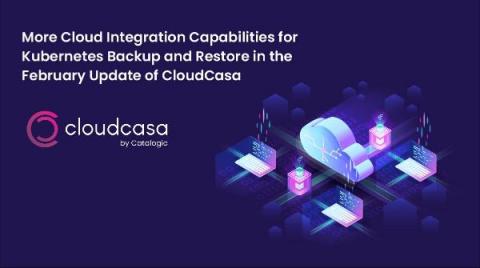
More Cloud Integration Capabilities for Kubernetes Backup and Restore in the February Update of CloudCasa

Mid-winter is fast approaching, meaning it’s nearly time to start thinking about spring again! But here at Catalogic all we’ve been thinking about lately is adding more features to CloudCasa. We were thrilled to hear that CloudCasa has been named a Kubernetes data protection leader and outperformer in the recently released GigaOm Radar for Kubernetes Data Protection Report, but we have no intention of resting on our laurels!