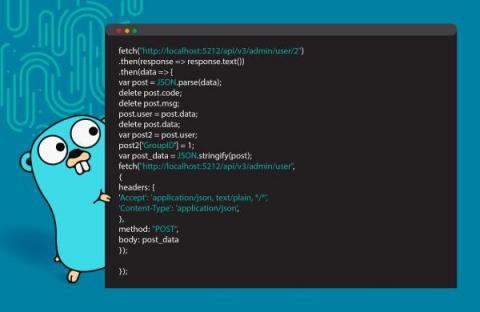
A possible method of attacking your code base is a bit of social engineering that involves using open source to report potential bugs in software that provides reproduction applications. These applications can include malicious code that can compromise your software and applications. In the blog post, we’ll briefly look at why and how they operate, and how to mitigate this practice.
The Center for Internet Security’s Critical Security Controls has become an industry standard set of controls for securing the enterprise. Now on version 8, the original 20 controls are down to 18 with several sub controls added. The first six basic controls can prevent 85 percent of the most common cyber attacks, and even though the controls have been developed with traditional data centers and process in mind, there is no reason they can’t be adapted to DevOps practices.
Many databases were born over 25 years ago, back in the unadulterated times of LAN parties and IRC. SSL was just for banks and sending unencrypted database traffic accounts was just how you did things. When databases use unencrypted connections, it means someone with access to the network could watch all and inspect all database traffic.
In the first part of this blog post, we setup SSL/TLS for a MySQL database, using the built in self-signed certificates. The main problem using out of the box self-signed certificates is that clients can't verify that they're talking to the right database host, and it's not possible to verify the certificate chain. In this post we'll cover upgrading the client connection to VERIFY_IDENTITY and how to use Machine ID to continuously renew certificates.
Microsoft SQL Server is a popular relational database management system created and maintained by Microsoft. It’s effective in numerous use cases: storage and retrieval of data as part of a DBMS, transaction processing and analytics applications. However, there are some essential measures you must take to protect your database from cybercriminals and security breaches, as the default security settings are relatively insufficient to keep your database safe.
Snyk’s Senior Product Marketing Manager, Frank Fischer, recently hosted a webinar about the value in using a developer security platform to secure code, dependencies, containers, and infrastructure as code (IaC). During this talk, Fischer discussed the shift in software security that has occurred over the past decade, the need for developers to take part in the security process, and the value of Snyk in securing the entire development lifecycle.