Getting started with Teleport 9
0:00 Introduction
1:10 Install Teleport on Root Cluster
5:33 DNS
6:36 Configure Teleport
10:17 Create Teleport User
14:09 Have Fun with Teleport
0:00 Introduction
1:10 Install Teleport on Root Cluster
5:33 DNS
6:36 Configure Teleport
10:17 Create Teleport User
14:09 Have Fun with Teleport
On April 28 and April 30, respectively, WhiteSource Diffend identified, blocked, and reported two packages we deemed were malicious versions of original Amazon Web Services (AWS) packages. Whitesource security experts have reached out to contacts at Amazon to notify them of our findings. This discovery may point to a new takeover method that targets packages of well-known origins, in this case, AWS.
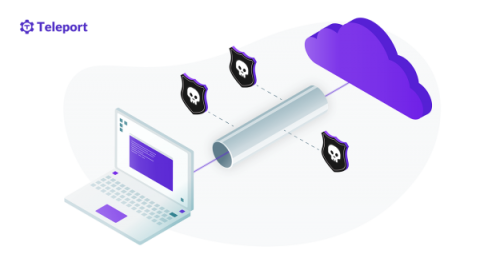
In this post I will be announcing a new open source project: Teleport Connect. It is a dedicated secure web browser for accessing cloud infrastructure. But first, let me explain why we've decided to build it, starting with a bit of historical context. As a kid I have always enjoyed imagining the process of programming to having a conversation with a machine. The REPL loop is the most obvious example of this interaction. As our code grows it no longer fits in a REPL environment.
Running a Kubernetes-based infrastructure is challenging and complex. Administrators often lament how complicated performance optimization and monitoring are, which can lead to problems in production. Additionally, even finely-tuned Kubernetes deployments can encounter sporadic issues. When Kubernetes starts behaving in strange ways, digging into logs can help you uncover breadcrumbs. These contextual hints can help lead you to possible solutions.
If you are considering Kasten today and wondering what alternatives exist for Kubernetes backup, you are at the right place where we will make our case for why CloudCasa should be your choice instead. Kasten K10 is one of the first products built to address the data protection gap in Kubernetes environments. Veeam is a market leader in data protection, and they acquired Kasten in 2021. Together, Kasten by Veeam presents a strong combination of innovation and go-to-market chops.
SSH was designed in 1995, LDAP was initially developed in 1993, and role-based access control was introduced in 1992. The concept of least privilege was introduced in 1975. With all of these existing technologies, when are modern privileged access management solutions necessary? This is a common question asked when we pitch the idea of modern privileged access management (PAM).
With dependence on containers growing more every year, developers need the best container security solutions they can find, and those solutions have to integrate seamlessly into existing development workflows. Snyk’s partnership with Sysdig has helped us strengthen our commitment to building tools for container security, and growing those tools to meet the evolving needs of developers. And as a developer-first organization, we truly value feedback that comes right from developers themselves.