Security | Threat Detection | Cyberattacks | DevSecOps | Compliance

7 Top Identity Verification Solutions for Digital Banks in 2026

Digital banks live and die by two numbers that pull against each other: onboarding conversion and fraud losses. Every extra second of friction during signup sends applicants to a competitor, while every shortcut in verification opens the door to synthetic identities, document fraud, and money mule networks that regulators expect banks to catch. Identity verification is the mechanism that has to satisfy both numbers at once.


How Legal Teams Are Responding Faster to Cyber Incidents with Smarter Technology

When a company gets hit by a cyberattack, every hour matters. Data may be leaking, systems may be down, and regulators are watching the clock. In the middle of all this pressure, legal teams are expected to make fast, accurate decisions about notification deadlines, contractual obligations, and regulatory exposure. This is exactly where AI legal software has started to change the game. By taking over repetitive research and document review tasks, it gives legal teams the breathing room they need to focus on judgment calls that actually require a human mind.

How Prop Trading Firms Are Becoming Prime Targets for Cyberattacks

Trading firms have always dealt with risk. Market risk, credit risk, operational risk, these are old concerns that every firm learns to manage early on. But there is a newer kind of risk that has been growing quietly in the background, and it is starting to demand serious attention. Cybersecurity threats are now hitting the trading world harder than ever, and a prop firm, short for proprietary trading firm, sits right in the middle of this storm.

Why More Clinics Are Switching to AI Medical Scribes in 2026

Walk into almost any clinic today and you will notice something different about the way doctors work. Fewer of them are typing while talking to patients. Fewer are staying late to finish notes. A big reason for this shift is the rise of the AI medical scribe solution, a tool that listens to patient visits and turns the conversation into organized clinical notes.

How Conversational AI Is Reshaping Guest Data Security in Hospitality

Hotels and resorts collect an enormous amount of personal information every single day. From passport details to payment cards, from travel preferences to home addresses, guest data has become one of the most valuable and most vulnerable assets in the hospitality industry. As more properties turn to automated chat systems to handle bookings, requests, and customer service, a new layer of complexity has entered the picture.

After Mythos: What Cyber Insurers Should Actually Be Asking

One issue we keep hearing from insurance underwriters and portfolio managers is some version of the same question: how do you price a risk that can change between bind and the very next day? The steady stream of headlines about Claude Mythos is the latest reason why this question comes up, but it isn’t really all about Mythos. Frontier AI is collapsing the gap between vulnerability disclosure and weaponized exploit, and the numbers are no longer subtle.

Zero Trust for AI Agents Starts After Login

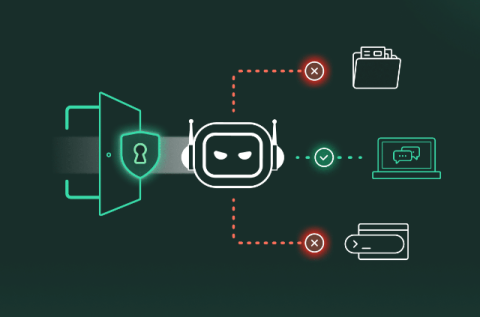
Zero Trust was built to fix an older assumption: if you were inside the network, you were trusted. Then, Cloud, SaaS and remote work broke that, so security moved toward identity, device checks, MFA, least privilege, and continuous verification. But now, with agents, the messy bit starts after access. The agent reads a prompt, pulls context, chooses a tool, calls an API, and may trigger a workflow. The login tells you the agent is “trusted”.

Access to Your Systems No Longer Has Borders: Take Control of Who Gets In

It's 4 p.m. and a client calls. It's an employee's last day, and you need to make sure they no longer have access to company environments, applications, systems, sensitive information—or even the corporate laptop. You remove VPN access. Then remote desktop access. Then access to applications and internal systems. Multiple locations, multiple consoles, and it only takes missing one of them to leave a door open. Now multiply that by the number of clients you manage.

Enable Jira 2FA for Customers and skip for Employees

Credential abuse is the common vector in 13% of data breaches. Cybercriminals can gain access to sensitive organizational data through weak, stolen, or reused passwords belonging to employees or customers. Single sign-on (SSO) and Multi-Factor Authentication (MFA) are industry-standard solutions for addressing these issues, and they can help to mitigate security threats. But external Jira Service Management (JSM) customers often authenticate differently.