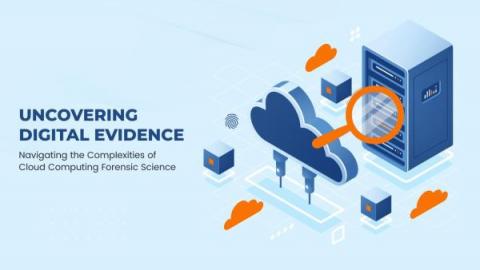
Mobile forensics is the process of accessing, recovering, and analyzing digital evidence from mobile devices using a court accepted methodology. The information that can be gleaned from a criminal’s phone is highly valuable. That’s why mobile forensics and digital forensics as a whole are valuable assets for law enforcement and intelligence agencies worldwide.
Telcos are part of the vital infrastructure that serves as a forerunner for the rest of the industry as their digital environments change. Many major telecommunications companies have large retail infrastructures that are purpose-built to onboard new customers in shops, but the retail industry has been harmed over the years by security concerns and the demand for personal involvement at every stage of onboarding. This influences their capacity to effectively grow their user base.
After the pandemic upended the retail and hospitality industries, digital transformation became imperative to survival – the key to meeting ever-changing customer expectations and overcoming supply chain complexities. As the landscape continues to shift, 55 percent of retailers say they’re open to improving their innovation capabilities, while 51 percent want to adopt new business models.
A major subset of overall cybersecurity, Information Security focuses on protecting sensitive data and information from the risks of cyberattacks. It covers but is not limited to: The fundamental goal of information security is to prevent sensitive data from being compromised by criminals or state actors. InfoSec encompasses a wide range of tasks and practices, spanning from monitoring user behavior to assessing risk to ongoing education.
This past June I presented a.conf22 session called “A Beginner’s Guide to SOAR: Automating the Basics” to address perceptions about SOAR adoption among security practitioners. This was my first in-person presentation to a live audience in several years because of the pandemic and I was encouraged to find that the session was among the highest attended at the event with well over 200 attendees in the room.
Zero Trust is the term for an evolving set of cybersecurity paradigms that moves an organization’s defensive measures from static, network-based perimeters to instead focus on users, assets, and resources. It is a security mindset where every incoming connection is treated as a potentially malicious request until explicitly verified. This concept was introduced by John Kindervag, one of the world’s foremost cybersecurity experts, and emphasizes three principles.
Changes to your IT devices, systems and servers are inevitable — but they can introduce critical security weaknesses. A file integrity monitoring (FIM) solution will track changes to your system and configuration files so you can promptly verify patch rollouts and investigate and mitigate unauthorized modifications — helping your business maintain a strong security posture and ensure ongoing regulatory compliance.
Nowadays, every business wants to reach out to a larger audience. And the best way for it is Mobile App Development. Whether someone is at work, at home, or somewhere outside, people frequently go through apps on their mobiles. Such apps collect data, store it and process it to provide reliable results. Indeed, our sensitive and confidential data is also getting into the same process. Hence, it makes a top priority to focus on mobile application security.
There’s no denying that the market for data encryption solutions is multifaceted and broad. But, it must be in order to keep up with modern security gaps and evolving threats. In this article, we’ll tell you about what enterprise data encryption is, why you should care about it, some of the different types of data encryption, and how SecureAge takes a unique approach to effectively protect enterprise data without compromising existing workflows or requiring a tech overhaul.